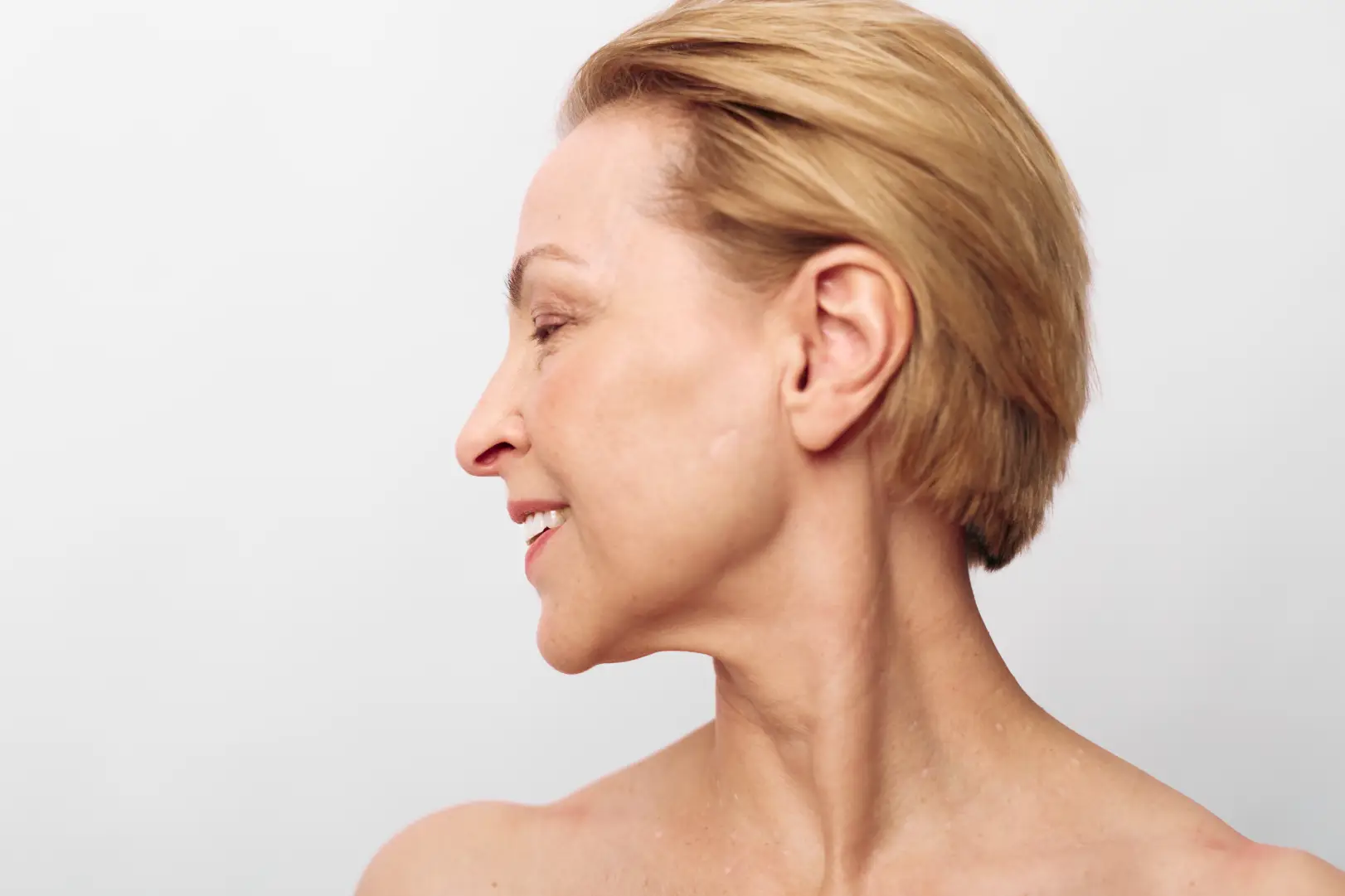
A few tiny red lines around the nose or cheeks can seem harmless until they become the first thing you notice in every photo. These visible blood vessels, often casually called broken capillaries, can contribute to persistent facial redness that makeup and skincare products can only camouflage.
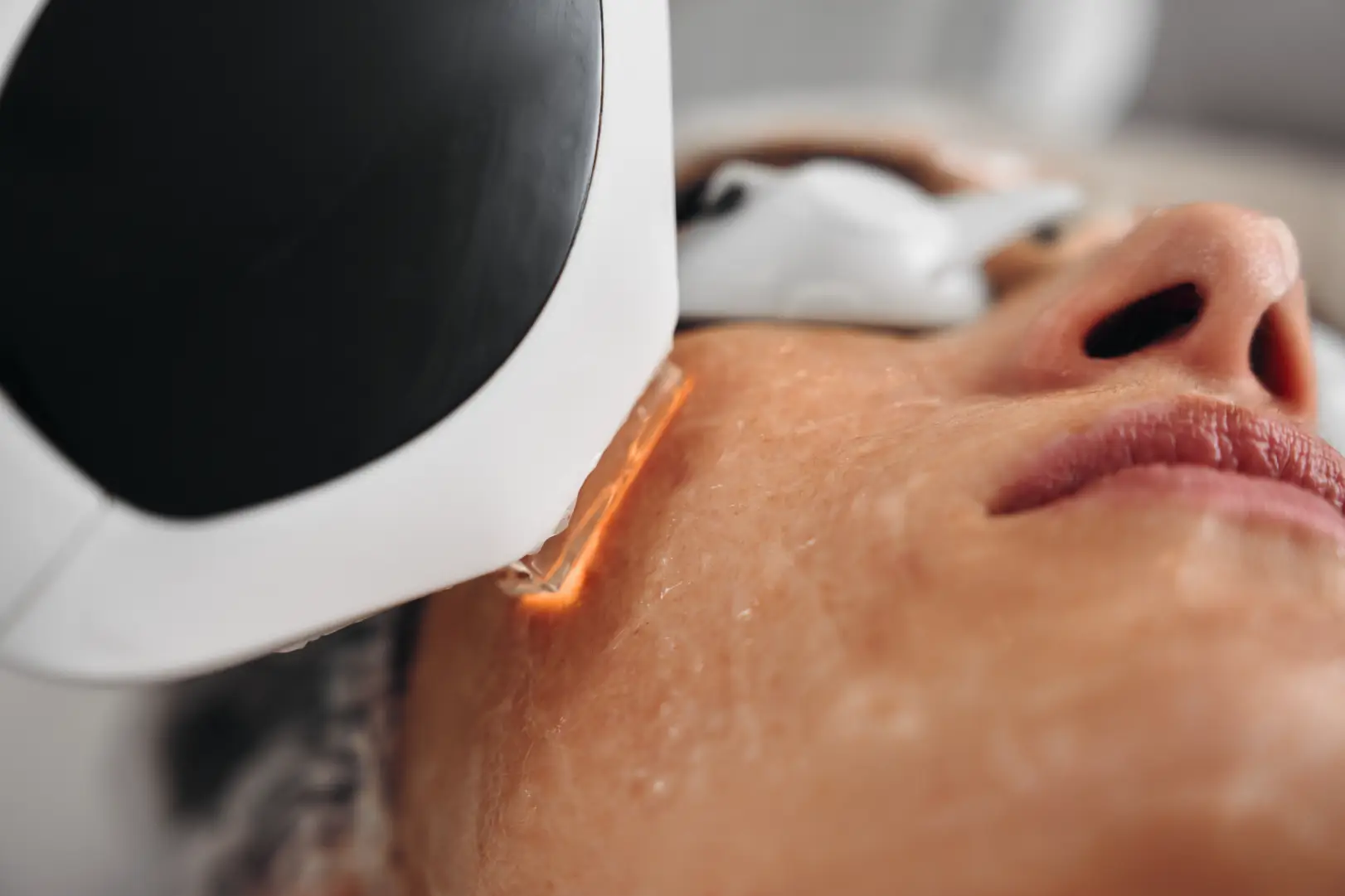
IPL, or intense pulsed light, offers a different approach by directing light toward color-producing targets in the skin, including hemoglobin within superficial blood vessels. For appropriately selected patients, that makes IPL useful for certain vascular concerns as well as some pigment-related changes.
If redness keeps stealing attention from the rest of your complexion, keep reading to learn how IPL works, what it can and cannot treat, and why the cause of your redness matters.
How IPL Can Reduce Facial Redness
IPL does not simply brighten red skin. Its usefulness for vascular concerns comes from carefully selected wavelengths of light interacting with targets beneath the skin’s surface.
1. It Targets Color Within Blood Vessels
The basic science behind IPL vascular treatment is called selective photothermolysis. Light is absorbed by specific chromophores, or color-containing targets, in the skin. For vascular treatments, one of those important targets is hemoglobin in blood.
When appropriate wavelengths are absorbed by hemoglobin, that light energy is converted into heat. The goal is to thermally affect the unwanted vessel while limiting injury to surrounding tissue. That distinction matters because IPL is not simply heating the entire face. Filters and treatment parameters are selected according to the concern, skin characteristics, and device being used.
Over time, appropriately treated superficial vessels may become less noticeable, which can create a more even-looking complexion. However, results depend on the type, depth, and size of the vessels being treated.
2. It Can Address Some Visible Facial Vessels
Those fine red or purple lines around the nose and cheeks are often described as broken capillaries, although the term can be misleading. Many are actually telangiectasias, which are small, visibly dilated blood vessels near the skin’s surface.
IPL may be used as a broken capillaries treatment when those superficial vessels are appropriate targets for the device. Facial telangiectasias are commonly associated with concerns such as chronic sun exposure and rosacea, although visible vessels can have other causes as well.
The location and appearance of the vessels matter. Small superficial vessels may respond differently from larger or deeper vascular structures. Some vessels may be better suited to a vascular laser rather than IPL. This is why an assessment should come before choosing a treatment simply because redness is visible.
The goal is not to erase every trace of natural color from the face. It is to reduce unwanted vascular visibility while preserving a natural complexion.
3. It Can Treat a Broader Area of Redness
Not every vascular concern appears as an individual line that can be easily pointed out. Some patients have more diffuse facial redness, particularly across the cheeks, nose, or central face. IPL’s broad-spectrum light can make it useful for treating areas containing multiple superficial vascular targets rather than focusing only on one isolated vessel.
This can be especially relevant for certain patients with rosacea-associated erythema and telangiectasia. Light-based treatments may help reduce persistent redness and visible vessels, although they do not cure rosacea itself. That difference deserves emphasis.
Rosacea is a chronic inflammatory skin condition. A treatment may reduce visible redness or vessels without removing the underlying tendency to develop flushing and other rosacea symptoms.
Patients with rosacea may therefore need a broader plan that includes appropriate skincare, trigger management, sun protection, and medical treatment when indicated. IPL can be one component rather than the entire solution.
4. It May Help With “Spider Veins” on the Face
Searches for spider veins face often lead people to IPL because facial vascular lesions can look similar to the branching vessels commonly called spider veins elsewhere on the body. However, vascular terminology can become confusing quickly.
Telangiectasias are small dilated vessels that may appear red, purple, or blue. Their appearance depends partly on vessel size, depth, and location. Facial vessels are not necessarily treated the same way as larger leg veins.
For appropriately selected superficial facial vessels, IPL may provide a non-surgical option. Light absorbed by blood in the vessel produces heat, and the treated vascular structure can gradually become less visible.
Larger, deeper, or unusually appearing vessels may call for a different approach. A consultation helps determine whether IPL is appropriate rather than assuming that every red or purple line can be treated with the same device.
5. IPL Covers More Than One Wavelength
IPL is frequently called a laser treatment in casual conversation, but technically, IPL is not a laser. A laser generally emits a specific wavelength or narrow range of wavelengths. IPL produces broad-spectrum, noncoherent light, and filters are used to select portions of that spectrum for particular treatment goals.
That versatility helps explain why IPL devices can be used for more than vascular concerns. Depending on the system and treatment settings, IPL may also target melanin. That makes it useful for selected brown spots and other pigment concerns.
A patient who has both visible redness and certain sun-related pigment changes may therefore discuss whether IPL fits the overall treatment plan. But versatility does not mean that one setting treats everything equally.
Vascular and pigmented lesions absorb light differently. Device parameters need to reflect the intended target as well as the patient’s skin tone and other individual factors.
6. Redness Can Fade Gradually
Patients sometimes expect their complexion to look completely different the moment the treatment ends. Vascular treatment usually requires more patience than that. Immediately after IPL, temporary redness, swelling, warmth, or discomfort may occur. Treated vessels may also look temporarily more noticeable before their appearance improves.
The body’s response continues after the appointment, so improvement is generally evaluated over time rather than within the first few minutes. More than one session may be recommended depending on the concern and response.
Treatment plans can vary because vascular lesions differ in diameter, depth, density, and cause. This is another reason promises such as one treatment removes broken capillaries should be treated cautiously. A better expectation is progressive improvement. Your provider can evaluate the response between sessions and decide whether additional treatment is appropriate.
7. Your Skin Tone Affects the Treatment Plan
The same light that can interact with hemoglobin may also be absorbed by melanin. That makes skin tone an important consideration with IPL.
Greater epidermal melanin can increase competition for light energy and influence the risk of unwanted effects such as burns or pigment changes. Device settings and patient selection therefore need to be thoughtful, particularly for patients with darker skin tones or recently tanned skin.
This does not mean that every patient with more melanin is automatically excluded from light-based treatment. It does mean that the device, settings, target, and individual skin characteristics matter. Treatment should never be approached as a universal preset.
A history of post-inflammatory hyperpigmentation, recent sun exposure, medications, previous procedures, and the exact nature of the vascular concern can all influence whether IPL is a sensible choice.
8. Sun Exposure Matters Before and After IPL
Sun protection is not simply a skincare bonus when you’re considering IPL. Because melanin absorbs light, tanning can affect the safety profile of light-based treatment. Patients may be advised to avoid tanning and excessive sun exposure before a session.
Specific instructions should come from the treating practice based on the device and individual patient. Sun protection remains important afterward as well. The American Academy of Dermatology recommends broad-spectrum, water-resistant sunscreen with an SPF of 30 or higher as part of sun protection.
Protective clothing and shade can add another layer of defense. This matters beyond the procedure itself. UV exposure can contribute to visible signs of photoaging and may aggravate rosacea in some people.
Think of sunscreen as part of maintaining the complexion you’re trying to improve, not simply something you use during recovery.

Help Put Redness in the Background
You should not have to guess whether the fine red lines across your cheeks are appropriate for IPL. The first step is understanding whether you are dealing with superficial visible vessels, diffuse redness, rosacea-related changes, or another condition entirely.
At Pretty Girl Aesthetics in Knoxville, TN, patients can explore Prisma IPL as an option for selected vascular and pigmentation concerns. A personalized assessment can determine whether IPL fits your skin, whether another approach makes more sense, and what realistic improvement could look like. If facial redness or broken capillaries keep drawing your eye, the right treatment plan can help bring the focus back to the rest of your complexion.
Contact us today to book your consultation!