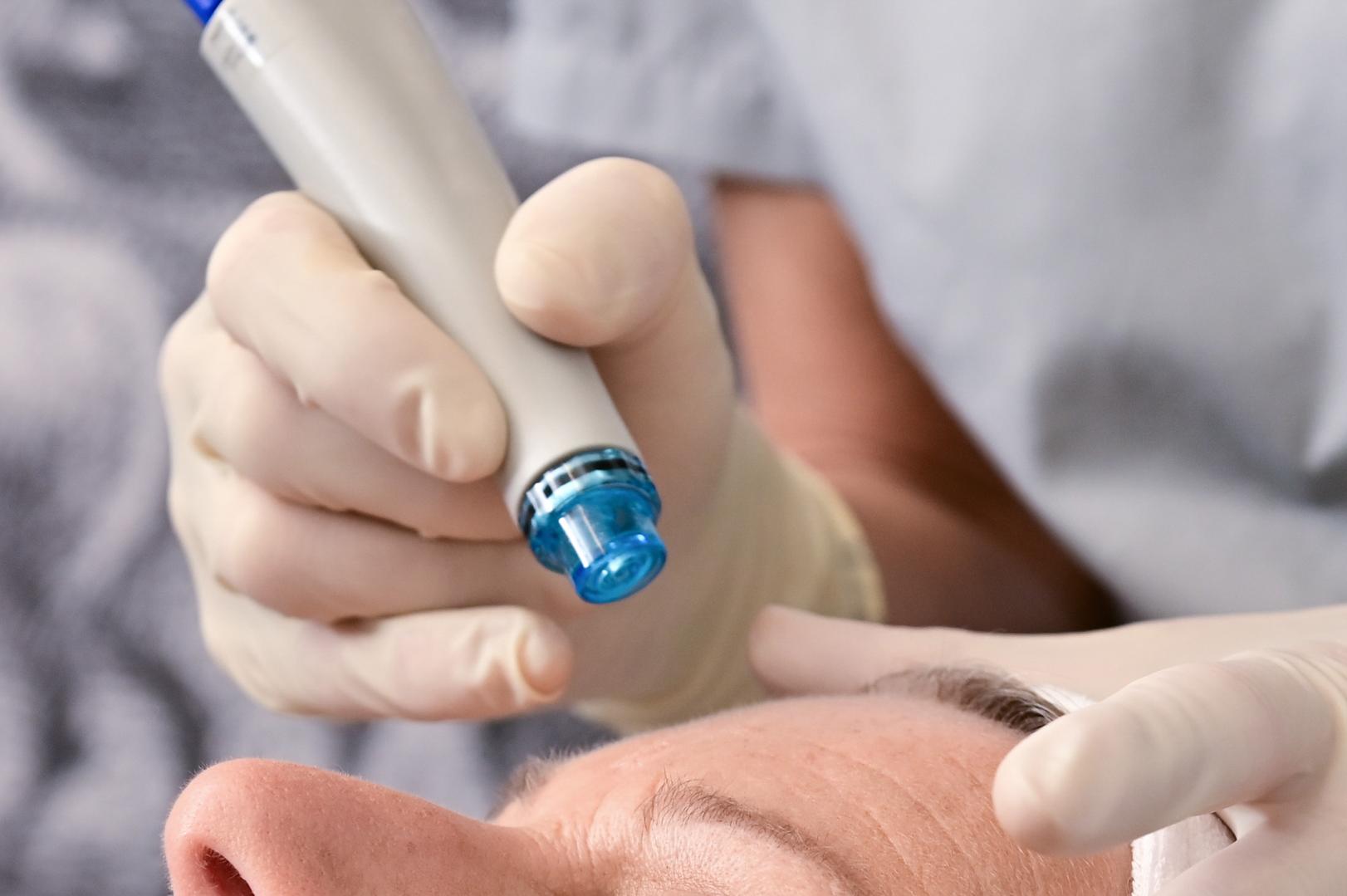
A softer cheek contour or a more noticeable facial fold can make your face look different, even when your skincare routine hasn’t changed. Sculptra supports gradual collagen production to improve selected facial wrinkles and help restore skin structure. That makes the calendar part of the conversation.
December can be a useful time to plan treatment, but the money side needs clarity: cosmetic Sculptra is generally ineligible for tax-free FSA/HSA spending, and HSA balances carry forward.
Continue reading to learn how year-end planning can still help you organize your budget, appointments, and expectations.
Why December Helps You Plan
The value of starting this conversation in December comes from looking ahead. These considerations connect your financial decisions with the time Sculptra needs to produce gradual change.
1. Check Eligibility Before Spending
Start the Sculptra FSA/HSA conversation with the purpose of treatment. Injections intended to improve ordinary facial aging or appearance generally do not qualify for reimbursement through a health flexible spending account or tax-free payment from a health savings account.
The distinction comes from the rules for cosmetic procedures. Being an injectable treatment, having FDA approval, or receiving a provider’s recommendation does not automatically make an appearance-focused procedure eligible.
There are narrow exceptions for procedures needed to improve a deformity related to a congenital abnormality, an accident or trauma, or a disfiguring disease. Eligibility depends on the specific circumstances and documentation. Patients with a potentially qualifying medical indication should verify the requirements before treatment.
For routine cosmetic Sculptra, plan for an out-of-pocket expense. Clear payment expectations let you decide whether the treatment fits your priorities without building your budget around reimbursement that may not be available.

2. Know Which Funds Expire
A December account review can help you understand your actual deadlines. The familiar “use it or lose it FSA” rule applies to health FSAs, although your employer’s plan may offer a limited carryover or a grace period.
To use FSA before year-end thoughtfully, check your plan-year end and eligible-expense deadline. A claims-submission window gives you time to submit paperwork for expenses already incurred. It does not, by itself, extend the period for receiving care.
Start by checking whether you have eligible expenses that you have already paid but have not submitted. Organizing those receipts may be more useful than making new purchases. Confirm the documentation and submission deadline with your plan administrator.
An HSA works differently: unused funds remain available in future years. There is no requirement to spend the balance simply because December is ending.
Information about HSA cosmetic treatments can blur the distinction between a payment method and an eligible expense. Cosmetic eligibility still matters, even if a payment can be processed. Keeping that distinction clear helps you preserve your healthcare funds while planning aesthetic care separately.
3. Budget for the Full Course
A consultation gives you a more useful financial picture than the price of one appointment. With Sculptra, multiple sessions may be recommended, and the amount of product used can vary between patients and visits.
Ask for an estimate that explains the proposed number of sessions, anticipated product amounts, and what follow-up care includes. Clarify whether the estimate could change after your provider assesses your response. This makes it easier to plan your personal spending across several months.
Check whether a quote is per vial, per visit, or for the proposed series. Ask which services are included and whether later reassessments have separate charges. Comparing the same items makes estimates easier to understand and avoids guessing at the total. Ask about the timing of payments as well. Knowing what is due at each visit can help you compare the proposed schedule with your monthly household budget.
If a treatment does qualify for FSA reimbursement, the date the service is provided generally determines when the expense is incurred. Paying in December for a January appointment does not automatically make it a December expense.
The same principle matters when discussing a prepaid series. Each visit’s eligibility and timing still require review, and a package payment does not make cosmetic care eligible. Ask about payment arrangements without assuming that prepayment protects an unused FSA balance.
4. Leave Room Between Sessions
Sculptra is often planned as a series, with time between appointments to evaluate progress. The manufacturer describes an average of two to three sessions over several months, with typical appointments spaced at least three to four weeks apart.
Your provider determines the schedule after assessing your skin, facial structure, and goals. The number of visits is not identical for every patient. Reassessment can help guide whether additional treatment is useful.
Beginning the conversation in December allows you to look at availability beyond the holiday season. You can identify dates for possible follow-ups and leave room for travel, work, and personal commitments.
If your work schedule changes often, ask about appointment flexibility before committing. You can note a preferred date and a backup option for follow-up. The goal is a schedule you can realistically maintain through the first part of the year.
The collagen stimulator timeline should guide appointment spacing. A benefits deadline does not change how quickly your skin responds, so keep the clinical schedule separate from any financial pressure to finish a series.
5. Give Gradual Results Time
The Sculptra results timeline is measured in weeks and months. Its active ingredient, poly-L-lactic acid, stimulates collagen production, supporting gradual changes in skin structure and the appearance of certain facial wrinkles.
Early fullness after an appointment can reflect swelling and the water used to prepare the product. That appearance may settle before the longer-term response develops. Understanding this helps you avoid judging the treatment by the first few days.
A December start can give you time to pursue improvement ahead of later events, depending on your individual plan. Explain any spring or summer dates to your provider so the discussion includes realistic timing.
Results may last up to two years, although individual outcomes vary. That potential duration can be part of a longer-term budgeting conversation. Future maintenance should be considered after reviewing your response, rather than treating every calendar year as a mandatory restart.
6. Make Space for Aftercare
December works best when your appointment fits comfortably around your plans. Temporary swelling, tenderness, or bruising can occur, so mention holiday photographs, travel, and important events before choosing a date.
Your provider will explain aftercare, including the recommended massage routine and when to resume particular activities. Ask for written instructions that you can follow at home. Having those details beforehand makes the first few days easier to organize.
If your month is packed, a December consultation followed by treatment later may be the more practical choice. Planning ahead still counts as progress. You can make an informed decision without fitting an appointment into an already crowded week.
7. Build a Plan You Can Revisit
Year-end skincare planning gives you an opportunity to decide what matters most to you. You might prioritize improving cheek wrinkles, addressing particular folds, or understanding whether Sculptra suits the changes you have noticed.
Set a comfortable spending range and share it openly. Your provider can explain what may be achievable within that range and whether it makes sense to begin now or plan for a later date.
Bring your medical history, current medications, previous injectable treatments, and skincare routine to the consultation. Your provider can use that information to assess candidacy and discuss appropriate treatment areas.
You can then agree on how progress will be reviewed. Consistent photographs and follow-up visits help track gradual changes more clearly than checking the mirror every morning.
A useful plan leaves room for reassessment. Your preferences, budget, and treatment response may influence later decisions, so ask when the team recommends checking in before booking additional visits.

Map Out the Months Ahead
A sample calendar can make the process easier to picture. The following sequence is an illustration, and your provider may recommend different timing or fewer appointments.
In December, begin with a consultation, a written estimate, and a review of your account rules. If Sculptra is appropriate and your schedule allows, the first treatment could take place that month. Otherwise, use the visit to prepare for a later start.
In January, a follow-up may help assess your response and discuss the next step. If another treatment is recommended, its timing should reflect the interval chosen by your provider. Keep the payment details and appointment dates in your records.
During February and beyond, continue the recommended plan and allow time for results to develop. Some patients may have another session, while others may be ready for observation. This is also a useful point to revisit expectations for upcoming events.
Start With a Clear Plan
December can be the beginning of a thoughtful Sculptra plan. At Pretty Girl Aesthetics, patients considering Sculptra in Knoxville can discuss their concerns, treatment suitability, and the practical commitment involved.
Book a consultation to explore your options, review the likely course, and plan around your budget and calendar. Our team can help you understand what Sculptra may offer and how to give gradual results the time they need.