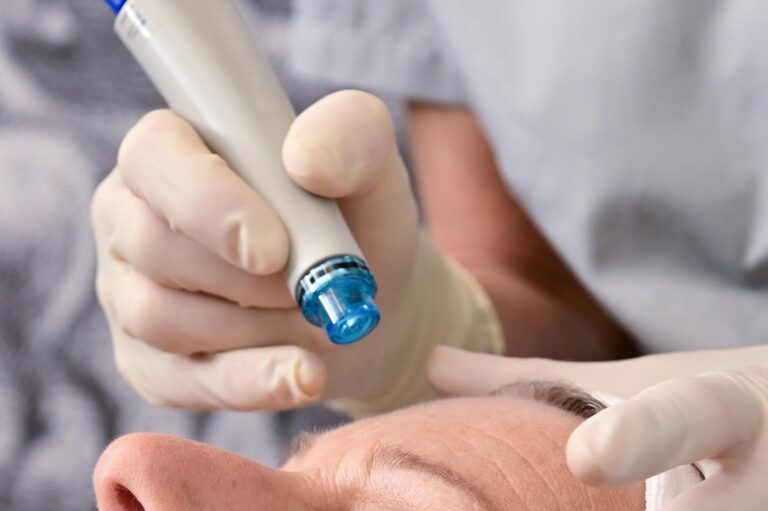
/Large-looking pores, uneven texture, and skin that no longer reflects light as smoothly as it once did can make your complexion seem older or rougher, even when you’re taking good care of it. When those changes are joined by fine lines, sun damage, or acne scars, skincare alone may not create the degree of improvement you want.
That is where CO2 laser skin resurfacing can enter the conversation. By creating controlled thermal injury in the skin, a CO2 laser can support resurfacing and new collagen formation while addressing several aspects of skin quality at once. Timing matters, though. Fall and winter are often convenient seasons for treatment because avoiding intense sun exposure is especially important around laser resurfacing.
If smoother, fresher-looking skin is on your seasonal wish list, keep reading. Here is why the cooler months can be a practical time to discuss CO2 resurfacing, including lighter approaches such as CoolPeel.
Why Cooler Months Work Well for CO2 Resurfacing
Choosing a treatment date involves more than finding an opening on your calendar. Your sun exposure, recovery needs, treatment intensity, and goals can all influence when resurfacing makes the most sense.
1. Less Sun Can Make Aftercare Easier
One of the strongest reasons to consider laser resurfacing during fall or winter is simple: protecting treated skin from ultraviolet exposure is an important part of recovery. Laser-resurfaced skin can be particularly sensitive to the sun while healing.
After treatment, patients are typically advised to limit sun exposure and use broad-spectrum sunscreen as directed. This matters because excessive UV exposure can contribute to unwanted pigment changes and can work against the broader goal of improving photodamaged skin.
Cooler weather does not make UV radiation disappear, of course. Sunscreen remains important throughout the year, and snow can even reflect ultraviolet radiation in colder climates. The practical advantage is lifestyle. Many people naturally spend less time at pools, beaches, outdoor festivals, and other high-exposure settings once summer ends. That can make post-treatment sun avoidance easier to build into everyday life.
For this reason, fall skin treatments often appeal to patients who know that staying out of direct sun would be difficult during summer.

2. CO2 Resurfacing Works Below the Surface
A CO2 laser is not simply a brightening facial with a more impressive name. Carbon dioxide lasers emit infrared light that is strongly absorbed by water in skin tissue. This allows the laser to create controlled zones of thermal injury or ablation, depending on the device and settings being used.
That controlled injury initiates a healing response. As the skin repairs itself, resurfacing can improve aspects of texture while thermal effects contribute to collagen production and remodeling. This is why CO2 technology may be considered for concerns such as fine lines, photodamage, textural irregularities, and selected scars.
Fractional approaches changed how resurfacing can be delivered. Rather than treating every point across an area uniformly, fractional treatment creates microscopic treatment zones while leaving surrounding tissue untreated. Those untreated areas can participate in the healing process.
Still, fractional does not mean risk-free or downtime-free. Treatment intensity matters, and recovery can differ considerably from one CO2 protocol to another.
3. Large-Looking Pores Often Come With Texture Changes
Patients frequently describe their concern as “large pores,” but pore visibility does not exist in isolation. Sebum production, skin elasticity, acne history, genetics, and aging can influence how noticeable pores appear. You cannot permanently erase normal pores because they are part of the skin’s anatomy.
What laser skin resurfacing may do is improve the surrounding skin texture, making the overall surface appear smoother and more refined. That distinction creates a much more realistic treatment goal than promising to “close” pores.
If pores are accompanied by acne scarring, roughness, or photodamage, the consultation becomes even more important. Different types and depths of scarring can require different strategies, and CO2 resurfacing may be only one component of a broader plan.
This is also why a treatment should be selected for the skin as a whole rather than for a single pore seen in a magnifying mirror.
4. Fall Can Follow a Summer of Sun Exposure
Summer can be wonderful for memories and less wonderful for accumulated UV exposure. Ultraviolet radiation contributes to photoaging, including changes in pigmentation, texture, wrinkles, and the skin’s collagen-rich extracellular matrix. A tan is also evidence that the skin has responded to UV exposure rather than a sign that the skin is healthier.
That makes autumn a natural time for many patients to reassess their complexion. However, recent tanning can affect the timing of an energy-based procedure. A patient who arrives in early fall after significant summer sun exposure may be advised to wait rather than immediately undergo resurfacing.
This is an important nuance when talking about fall skin treatments. Fall may be convenient, but the calendar itself does not determine candidacy. Your current skin condition, recent sun exposure, skin tone, medical history, medications, and treatment goals all matter. Sometimes the best fall treatment plan begins with patience.
5. Winter Can Simplify Recovery Planning
Winter is another popular period for procedures that may temporarily leave skin red, sensitive, peeling, or otherwise visibly healing. Depending on treatment intensity, traditional ablative CO2 resurfacing can involve meaningful recovery.
Redness can also persist beyond the initial healing period. Patients need clear expectations before choosing treatment rather than assuming every CO2 procedure is a lunchtime laser. That makes winter skin treatments appealing for people who naturally have quieter social schedules or spend more time indoors.
A long holiday break or a slower work period may offer more flexibility for recovery. Cooler temperatures may also make staying inside feel less restrictive than it would during peak summer. Your actual schedule matters more than the season, though.
If December is packed with parties, travel, skiing, or tropical vacations, it may be a terrible time for resurfacing. The best treatment window is the one that gives your skin adequate healing time while allowing you to follow aftercare instructions consistently.
6. CoolPeel Offers a Lighter CO2 Approach
Not every patient interested in CO2 technology wants an aggressive resurfacing procedure. CoolPeel uses CO2 laser technology with short pulses designed to create a more superficial treatment effect while limiting unnecessary thermal exposure to surrounding tissue. This creates another option for patients interested in resurfacing but concerned about the recovery associated with more aggressive ablative treatment.
It is still important to keep expectations grounded. CoolPeel should not be described as identical to traditional deeper CO2 resurfacing with none of the tradeoffs. A lighter treatment generally represents a different balance between treatment intensity, recovery, and the amount of change expected.
Likewise, little downtime is more accurate than promising absolutely no skin response. Temporary redness, dryness, sensitivity, or a rough feeling can occur after fractional resurfacing. For some patients, that tradeoff is precisely the attraction.
They may prefer progressive skin rejuvenation with a lighter recovery rather than pursuing the strongest possible treatment in a single session.
7. Collagen Remodeling Needs Time
The skin you see immediately after treatment is not the final result. Laser energy creates a controlled response, but healing and collagen production continue after the appointment. As remodeling progresses, improvements in texture and other aspects of skin quality can develop over time. This makes fall particularly interesting for patients thinking ahead to spring.
Rather than scheduling a resurfacing procedure immediately before a major event, you can allow time for initial recovery and subsequent remodeling. That removes some of the pressure to judge the treatment too quickly. The same principle applies to winter.
Someone hoping for refreshed skin for a spring wedding, graduation, vacation, or another milestone may benefit from discussing resurfacing well ahead of the date. Treatment intensity, healing time, and whether more than one session is appropriate all need to be factored into the schedule.
Good resurfacing planning works backward from your goals rather than squeezing a procedure into the week before photographs.

Give Your Skin the Right Season
Fall and winter do not magically make a CO2 laser more effective, but they can create a practical window for treatment. Less intense outdoor activity, easier sun avoidance, flexible recovery schedules, and enough time for collagen remodeling before spring can all make the cooler months attractive for resurfacing.
At Pretty Girl Aesthetics in Knoxville, TN, patients interested in CO2 laser skin resurfacing can explore options such as CoolPeel based on their skin concerns, treatment goals, and preferred level of recovery. If large-looking pores, rough texture, fine lines, sun damage, or scarring have you thinking about skin tightening and resurfacing, a personalized consultation can help determine whether CO2 belongs in your seasonal skincare plan.
Contact us today to schedule your consultation!