Radiant skin isn’t always about correcting one isolated concern. You may want brown spots to look less noticeable, redness to appear calmer, and skin to feel firmer at the same time. Traditionally, those goals can point toward different aesthetic technologies, which is why treatment planning can quickly become confusing.
The PRISMA aesthetic device takes a multi-technology approach by bringing EMS, radiofrequency, and intense pulsed light into one platform. Each technology has a different purpose, giving providers several ways to personalize treatment around a patient’s concerns.
Scroll deeper as we unpack PRISMA EMS + RF + IPL, what each technology does, and why having several treatment options within one platform can make aesthetic care more versatile.
What to Know About PRISMA
PRISMA isn’t based on one type of energy doing everything. Its versatility comes from combining three technologies with distinct roles, allowing treatment to focus on different aspects of facial and skin rejuvenation.
1. PRISMA Combines Three Technologies
The easiest way to understand PRISMA is to stop thinking of it as a single treatment. The platform combines three technologies: intense pulsed light, radiofrequency, and electrical muscle stimulation. Instead of expecting one modality to address every aesthetic concern, providers can select technology based on what they are trying to accomplish.
Think of the platform as a toolbox. PRISMA IPL focuses primarily on light-responsive pigment and vascular concerns. PRISMA RF uses controlled radiofrequency heating when skin firmness and collagen stimulation are treatment priorities. PRISMA EMS uses electrical stimulation to engage muscles.
These aren’t three versions of the same treatment. They have different mechanisms and potential uses, which is precisely what gives PRISMA its versatility. It also means that having a PRISMA treatment doesn’t automatically mean receiving all three modalities at once.
The treatment plan should be based on the patient’s concerns, skin characteristics, and aesthetic goals.
2. IPL Focuses on Color
Some of the first signs that make a complexion look less radiant aren’t related to skin laxity at all. They’re related to color. Brown spots, visible redness, and superficial vascular changes can create an uneven appearance even when the skin feels relatively smooth.
An IPL treatment uses intense pulsed light rather than a single laser wavelength. Selected wavelengths can interact with chromophores in the skin, such as melanin in certain pigmented lesions and hemoglobin within superficial blood vessels.
PRISMA includes two IPL handpieces designed for different applications. The Verde handpiece offers adjustable range and fluence and is intended for concerns involving reds, browns, and difficult vascular lesions. The Sol handpiece uses in-motion technology to cover larger treatment areas and provide more uniform delivery.
This distinction gives providers options rather than forcing every light-based concern into the same treatment pattern. However, IPL shouldn’t be viewed as a universal answer to every form of discoloration.
Brown pigment can have many causes, and conditions such as melasma require more careful consideration than an isolated sun spot. Diagnosis still comes before treatment.
3. Verde Takes Aim at Vascular Concerns
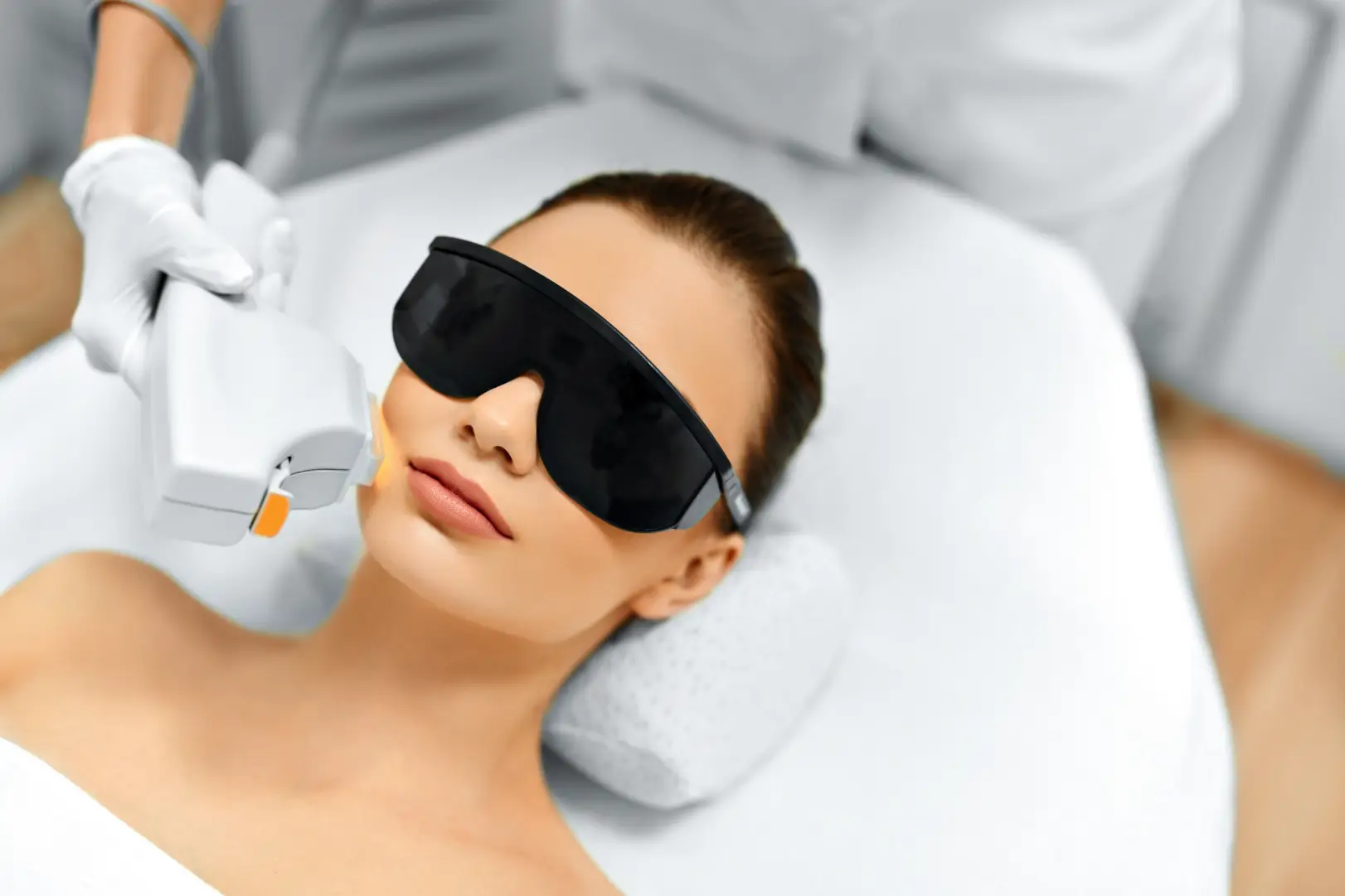
Persistent redness can be particularly frustrating because topical skincare can’t simply erase a visible blood vessel. PRISMA’s Verde IPL handpiece is designed with vascular and pigment concerns in mind. According to the platform information, its adjustable range and fluence allow providers to customize treatment for reds, browns, and challenging vascular lesions.
For vascular applications, light energy is directed toward hemoglobin within targeted blood vessels. The treatment goal is to create a controlled thermal response that makes selected superficial vascular concerns less noticeable over time. This may be relevant for patients bothered by visible facial vessels or areas of persistent redness, depending on what is causing them.
That last part matters. Rosacea, irritation, acne-related inflammation, visible telangiectasias, and other conditions can all make the face appear red. They aren’t automatically treated in exactly the same way. PRISMA may provide the technology, but proper evaluation determines whether IPL is the appropriate tool.
4. Sol Covers Larger Areas
Not every pigment or redness concern appears as one small, isolated spot. Sometimes uneven color extends across a broader area. That is where the design of PRISMA’s Sol handpiece becomes relevant.
Sol uses an in-motion approach intended to treat larger areas while providing more uniform energy delivery. The design also aims to reduce visible lines of demarcation between treated and untreated areas.
This can make sense when the goal is broader photorejuvenation rather than targeting one distinct lesion. For example, someone may notice that years of environmental exposure have left the complexion looking generally uneven. Rather than focusing on a single brown spot, the treatment strategy may need to consider an entire facial region.
Still, larger treatment coverage doesn’t mean every discoloration within that area should automatically be treated. Pigment needs to be assessed first. Any new, changing, bleeding, or otherwise suspicious lesion should receive appropriate medical evaluation rather than being treated cosmetically with IPL.
5. Cooling Is Part of the IPL Experience
Effective energy delivery is only one part of an aesthetic treatment. The way that treatment feels matters too. PRISMA incorporates adjustable cooling with its IPL technology. According to the platform information, providers can dial in cooling levels to balance treatment delivery with patient comfort.
That can be meaningful because light-based treatments create heat as targeted chromophores absorb energy. Cooling can help manage the treatment experience and protect the skin’s surface while energy is being delivered.
Comfort is still personal. One patient may describe IPL as mild warmth, while another may be more sensitive to the pulses. Treatment area, settings, skin characteristics, and individual tolerance can all influence sensation.
So, while PRISMA’s cooling system is designed with comfort in mind, patients shouldn’t be promised that every session will be completely sensation-free.
6. RF Shifts the Focus to Firmness
Pigment isn’t the only reason skin can lose its youthful appearance. Over time, changes in collagen and other structural components can contribute to laxity, fine lines, and declining firmness. That calls for a different treatment strategy than targeting brown or red pigment.
This is where PRISMA RF enters the picture. Radiofrequency uses electrical energy to generate controlled heat within tissue. That thermal response can influence existing collagen and initiate longer-term remodeling processes.
The concept behind radiofrequency skin tightening is therefore different from IPL. IPL primarily relies on light interacting with color-containing targets, while RF creates heat through electrical resistance within tissue. That difference helps explain why one platform may contain both.
A patient concerned about brown spots may need a different modality from someone whose main concern is early laxity. A patient with both concerns may require a more comprehensive plan.
7. Temperature Sensing Adds Feedback
Heating tissue for collagen stimulation requires control. PRISMA’s Azur RF handpiece incorporates real-time temperature sensing. According to the platform information, these sensors allow providers to monitor tissue temperature while delivering treatment.
The goal is to reach a useful thermal range without simply applying more and more heat. That is an important concept in energy-based aesthetics. More energy isn’t automatically better, and excessive heating can increase the risk of discomfort or unwanted tissue effects.
Real-time feedback gives the provider additional information during treatment. The platform also positions this temperature monitoring as a way to stimulate collagen while reducing the risk of excessive heating that could affect unwanted structures, including fat.
Still, technology doesn’t remove the need for appropriate settings or clinical judgment. Device feedback is one component of treatment delivery, not a replacement for thoughtful patient selection.
8. Collagen Changes Take Time
Radiofrequency treatment is often discussed in terms of tightening, but that word can create unrealistic expectations if it isn’t explained. Controlled heating can affect collagen fibers and initiate a wound-healing and remodeling response.
Some patients may notice an early feeling of firmness, while longer-term changes related to collagen remodeling develop more gradually. That means PRISMA RF isn’t the same thing as a surgical lift.
It does not cut away loose skin or reposition deeper facial tissues. Radiofrequency skin tightening is better suited to appropriately selected patients seeking a non-surgical approach to firmness. The amount of laxity matters.
Someone noticing early softness may have different options from a patient with substantial excess skin. Setting realistic expectations at the beginning helps keep non-invasive tightening in its proper lane.
9. EMS Brings Muscle Into the Conversation
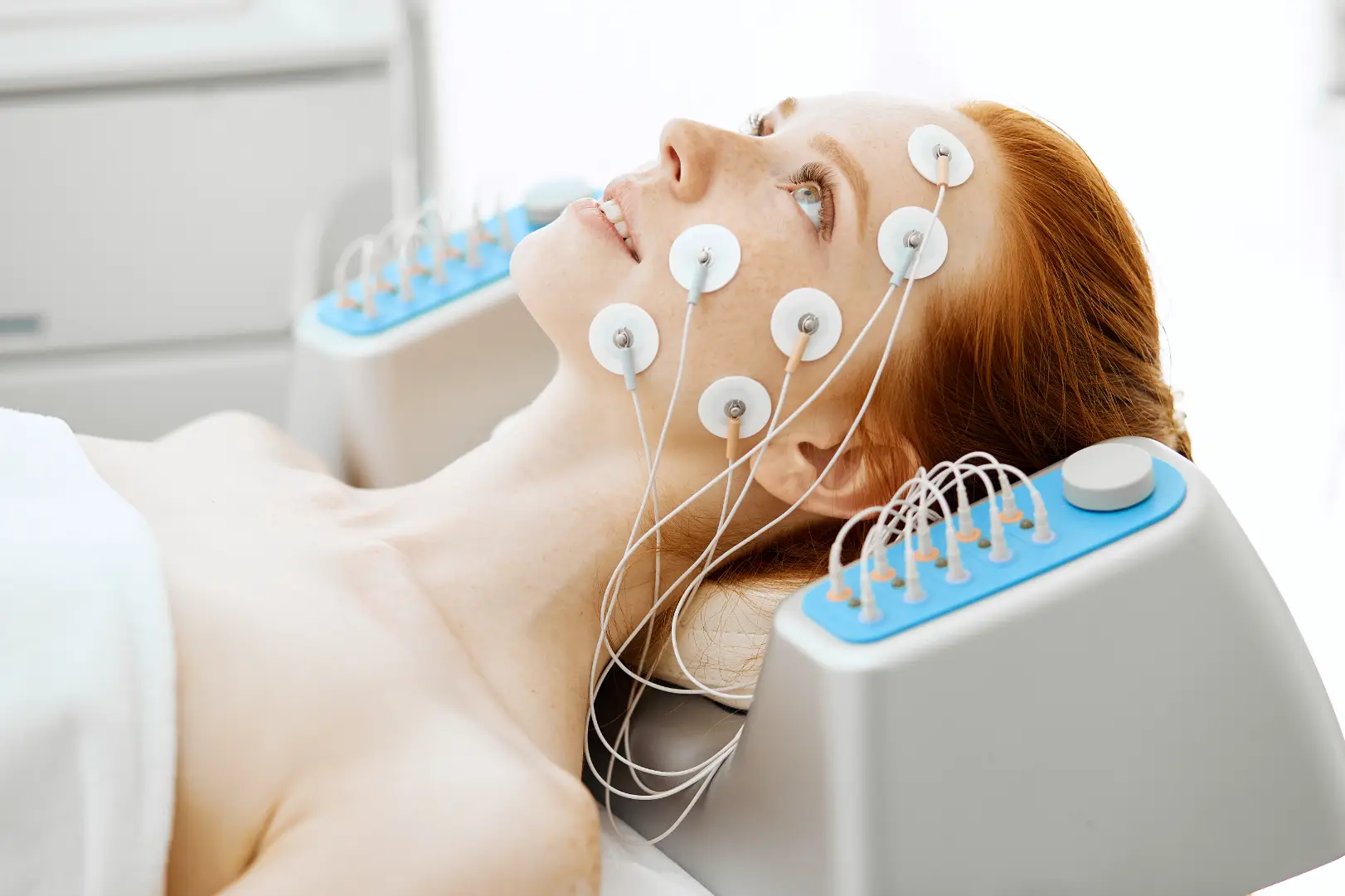
The third technology takes PRISMA beyond skin color and collagen. PRISMA EMS uses electrical muscle stimulation. Instead of directing light toward pigment or generating heat within tissue, EMS uses electrical impulses to produce muscle contractions.
That gives an EMS facial treatment a fundamentally different target. Facial appearance is influenced by more than the surface of the skin. Underlying muscles contribute to facial movement and contour. EMS technology is intended to stimulate these muscles as part of an aesthetic treatment strategy.
It is important not to overstate what that means. Electrical stimulation should not be described as building an entirely new facial structure or replacing surgical procedures. Likewise, muscle stimulation, collagen remodeling, and pigment treatment are separate biological goals.
PRISMA’s advantage is that those goals can exist within the same broader platform without pretending they are the same treatment.
Build a Plan Around Your Skin
The most useful aesthetic platform isn’t necessarily the one with the longest list of features. It is the one whose technologies can be matched thoughtfully to the patient’s actual concerns.
PRISMA EMS + RF + IPL gives Pretty Girl Aesthetics in Knoxville, TN, several ways to approach facial and skin rejuvenation within one platform. Whether the priority is selected pigmentation and redness, collagen-focused tightening, muscle stimulation, or a carefully planned combination, treatment can begin with the concern rather than forcing every patient into the same protocol.
That is where PRISMA’s versatility makes the most sense: three distinct technologies, each with its own job, brought together to create a more personalized aesthetic conversation. Connect with us today to book your appointment!