The under-eyes and cheeks can change the mood of your whole face. Hollowing beneath the eyes can create a tired appearance, while declining cheek support may make the transition between the lower eyelid and midface look less smooth. Yet not every patient wants facial rejuvenation that is centered entirely on adding conventional filler.
PRF offers a more regenerative approach. With treatments such as Selphyl filler, a preparation derived from the patient’s own blood is used to create a fibrin-rich matrix containing platelets and associated growth factors.
Rather than approaching every concern as a space that simply needs to be filled, the treatment is designed around the body’s healing biology. Keep reading to see how this approach may fit into under-eye and cheek rejuvenation and why expectations should be different from those for traditional dermal filler.
How PRF Rejuvenates the Under-Eyes and Cheeks
The appeal of PRF comes from what is already present in the patient’s blood. Once processed and prepared, those components can be concentrated within a fibrin matrix and placed strategically in selected facial areas.
1. It Starts With Your Own Blood
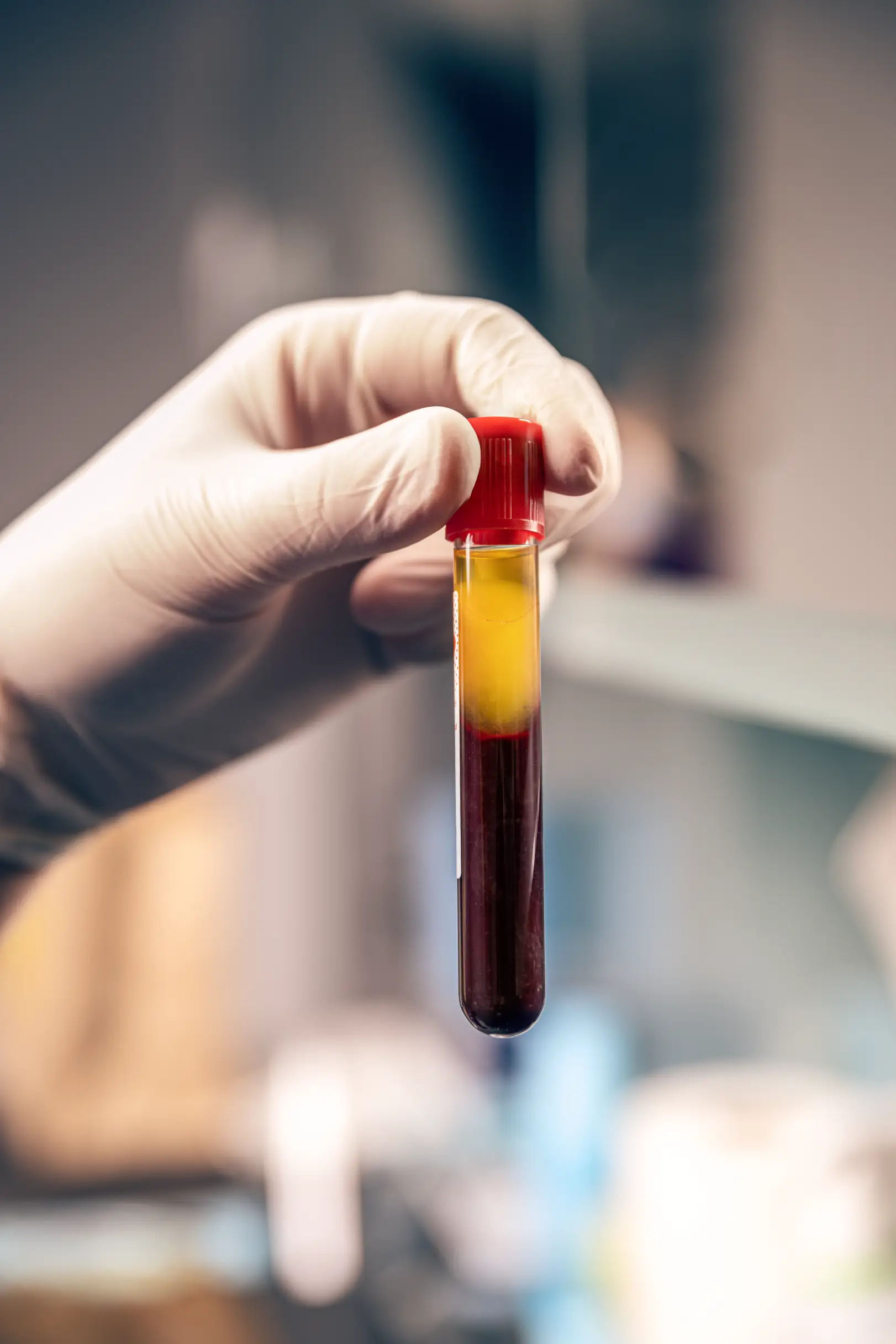
The first difference is where the injectable material comes from. Instead of beginning with a premanufactured hyaluronic acid gel, PRF-based treatment starts with a blood draw. The blood is processed to separate and concentrate components used for treatment, including platelets and fibrin.
Platelets are best known for their role in blood clotting, but they also carry signaling proteins involved in normal wound healing and tissue repair. These include platelet-derived growth factor, transforming growth factor beta, vascular endothelial growth factor, and other signaling molecules.
With Selphyl, the preparation forms a three-dimensional fibrin matrix. This scaffold can bind platelets and associated growth factors at the treatment site, supporting their localized release after administration.
That biology is central to the treatment concept. A PRF filler is therefore not simply another gel designed to occupy space. It is an autologous treatment, meaning the starting material comes from the patient’s own blood.
2. The Fibrin Matrix Acts as a Scaffold
Fibrin may not get as much attention as collagen, but it plays an important role in the body’s repair process. When Selphyl is prepared, the resulting fibrin matrix creates a scaffold that helps localize platelets and their signaling molecules within the treated area. According to the treatment information provided, platelet-associated growth factors can continue to be released over several days.
Think of this less as instantly sculpting a feature and more as creating a localized environment associated with tissue repair. The signaling molecules involved have different biological roles. For example, some participate in cellular activity, blood vessel formation, epithelial repair, and collagen-related processes. These pathways overlap rather than acting as isolated switches.
This is part of what makes regenerative aesthetics different from a purely volumizing approach. The focus is not only on what is injected, but also on the biological response that follows.
3. Under-Eyes Need a Delicate Approach
The lower eyelid is one of the most unforgiving areas of the face. Skin here is thin, and shadows can be influenced by several factors, including anatomy, volume changes, skin quality, pigmentation, and visible blood vessels. That means a patient who says, “I have dark circles,” may actually be describing a combination of concerns.
PRF under-eye treatment may be considered when the goal is a regenerative approach to the delicate lower-eye area. The treatment can be strategically placed to support gradual changes in tissue quality rather than relying solely on the immediate projection associated with traditional fillers.
That difference may appeal to patients who want subtle under-eye rejuvenation. It is equally important to understand what PRF cannot automatically correct. Pigment-related dark circles will not necessarily disappear because PRF was injected.
Prominent under-eye bags caused by fat protrusion are also structurally different from mild hollowing or changes in skin quality. The first job of a consultation is therefore to determine what is actually making the eyes look tired.
4. Results Are Meant to Look Progressive
Traditional dermal filler can create visible volume immediately because the gel physically occupies space after injection. PRF takes a different path.
There can be an initial change from the injected material and temporary swelling, but the regenerative concept depends on biological processes that continue after treatment. The fibrin scaffold and platelet-associated signaling factors participate in a response that develops over time.
This is why patients shouldn’t judge a PRF treatment solely by how the face looks immediately after leaving the appointment. Swelling can temporarily distort the appearance. As it settles, the longer-term response becomes more relevant.
For patients searching for a natural-looking filler, this gradual quality may be appealing. Still, natural-looking does not mean invisible or guaranteed. Results vary with anatomy, treatment technique, individual biology, and the concern being addressed. PRF is better approached with patience than with expectations of instant transformation.
5. Cheeks Can Benefit From a Regenerative Strategy
Cheek rejuvenation is not always about creating dramatically higher cheekbones. As the face changes with age, patients may notice flattening, shadows, or less smooth transitions through the midface. Skin quality and structural volume can both contribute to those changes.
PRF cheeks treatment offers another way to approach selected concerns. Rather than focusing exclusively on adding a defined amount of synthetic gel, the treatment uses the patient’s blood-derived preparation in targeted areas. This can be considered when someone prefers a regenerative strategy or is looking for subtle improvement rather than substantial facial sculpting.
That does not mean PRF and traditional cheek filler produce identical results. A patient seeking significant projection or a highly defined contour may have goals that are better suited to a conventional volumizing filler. Someone more interested in gradual rejuvenation and tissue quality may have a different conversation.
Understanding that difference before treatment prevents PRF from being sold as something it is not.
6. It Can Soften the Eye-to-Cheek Transition
Sometimes the concern isn’t the under-eye or cheek alone. It is the way the two areas meet. Volume changes beneath the eye and through the upper cheek can create a sharper transition between these regions. Light catches that contour differently, sometimes producing shadows that make the face look more tired.
Treating the face as connected anatomy can therefore make more sense than focusing on one isolated spot. A PRF-based approach may be used strategically across selected areas to create a softer visual transition. The goal isn’t to inflate the under-eye or overbuild the cheek. It is to consider how both regions contribute to overall facial balance.
This is also why the same injection pattern shouldn’t be used for every patient. One person may need more attention around the lower eyelid. Another may benefit from addressing the cheek first. A third may not be an appropriate candidate for injectable rejuvenation at all.
Good facial treatment begins with anatomy, not a predetermined number of syringes.
7. Growth Factors Are Part of the Story
The phrase growth factors sounds impressive, but understanding what it means makes the treatment easier to evaluate realistically. Platelets contain and release multiple signaling proteins involved in normal tissue repair.
The treatment information for Selphyl highlights factors such as:
- PDGF, or platelet-derived growth factor
- TGF-beta, or transforming growth factor beta
- VEGF, or vascular endothelial growth factor
- EGF, or epithelial growth factor
- FGF, or fibroblast growth factor
- IGF, or insulin-like growth factor
These signaling molecules participate in processes such as cellular activity, wound healing, angiogenesis, and collagen-related repair. Their presence does not mean PRF can regenerate an entirely new face or reverse every aspect of aging. Terms such as “regeneration” should remain grounded in the biological processes the treatment is intended to support.
That is an important distinction within regenerative aesthetics. Supporting repair and remodeling is very different from promising complete tissue replacement.
8. Collagen Support Takes Time
Collagen is one of the proteins responsible for much of the skin’s structural support, but it doesn’t appear overnight. The platelet and fibrin environment created by PRF is intended to support biological processes associated with tissue repair and collagen production.
According to the supplied Selphyl treatment information, platelet-associated growth factors can remain active over several days within the fibrin scaffold. The visible effects associated with those processes are not expected to happen on the same timetable as the injection itself.
That makes PRF particularly suited to patients who understand that regenerative treatment is a process rather than an instant reveal. A series of treatments may be discussed depending on the individual patient and treatment goal.
Maintenance may also become part of the conversation because facial aging continues regardless of which injectable is selected. The goal is improvement, not permanently freezing the face at a particular age.

Let Subtle Change Have Its Moment
Under-eye and cheek rejuvenation does not always need to be about adding more volume. For selected patients, PRF offers a different philosophy by using a blood-derived fibrin matrix and platelet-associated signaling factors to support a gradual regenerative response.
At Pretty Girl Aesthetics in Knoxville, TN, patients can explore Selphyl filler as part of a personalized approach to the under-eyes and cheeks. The goal is not to make every face look fuller. It is to understand what is creating the tired or hollow appearance and decide whether regenerative rejuvenation fits naturally into the solution.
Contact us today to book your appointment!