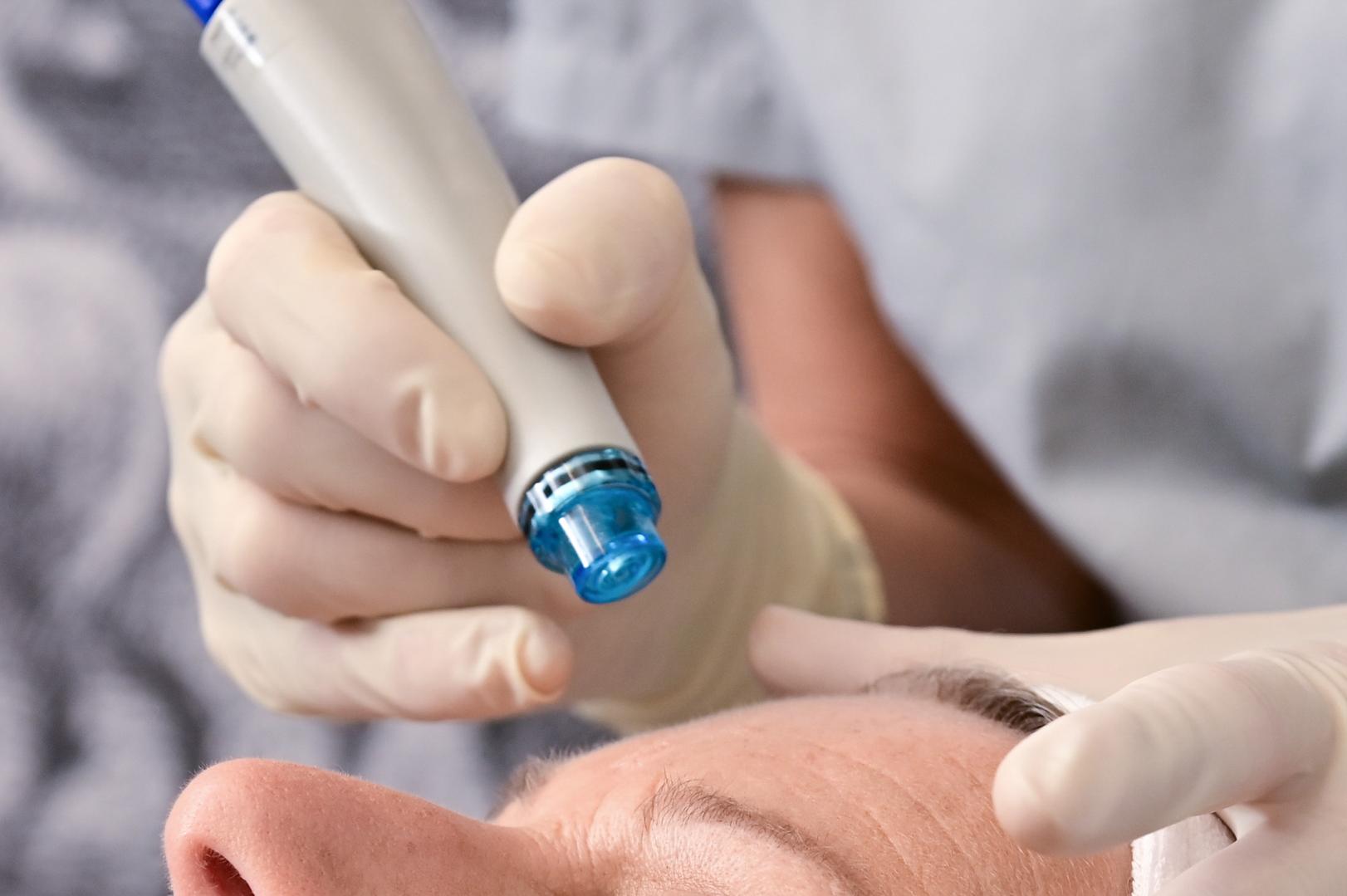
Skin laxity has a way of sneaking up on you. Maybe your jawline looks softer in photos, the skin beneath your chin has started to loosen, or areas of your body no longer feel as firm as they once did. These changes are normal, but they can leave you wondering what can actually be done without surgery.
That is where skin tightening treatments come into the conversation. Today’s options use different forms of energy and different treatment methods to address firmness, with Everesse adding another choice to the mix. But “new” doesn’t automatically mean “better” for everyone.
Understanding how Everesse compares with other skin tightening options can help you look beyond marketing language and focus on what actually matters: how a treatment works, how it feels, what recovery may involve, and whether it matches your degree of laxity.
Continue reading as we break down where Everesse fits among today’s non-surgical choices.
How Everesse Differs From Other Skin Tightening Treatments
Modern treatments may share a goal of improving firmness, but they don’t necessarily reach that goal in the same way. Here are the differences worth understanding before choosing one.
1. Everesse Is an RF Treatment
One of the first things to clear up is that Everesse isn’t an entirely separate category of skin tightening. It belongs to the broader family of radiofrequency treatments. RF skin tightening uses electrical energy to generate controlled heat within tissue. That thermal effect can influence existing collagen and initiate a longer remodeling response.
Everesse uses this same broad biological principle, but its delivery system and comfort-focused design distinguish it from other RF devices. This is why searches for Everesse vs. radiofrequency can be slightly misleading. It is not Everesse or radiofrequency. Everesse is a radiofrequency-based treatment.
A better question is how Everesse delivers RF energy compared with other devices, and whether its particular approach suits your skin and treatment goals.

2. It Works Without Needles
Radiofrequency can reach the skin in several ways, and this is one of the biggest differences among treatments. Everesse is non-invasive. It delivers RF energy externally rather than inserting needles through the skin. This separates it from procedures commonly known as RF microneedling, which combine tiny needles with radiofrequency energy delivered at selected depths.
RF microneedling may be considered when the treatment plan involves concerns such as texture, scars, wrinkles, or skin laxity. Because needles enter the skin, however, the treatment experience and post-procedure response differ from a completely external RF procedure. Everesse takes a different route.
For a patient primarily interested in non-surgical skin tightening without needles, the non-invasive delivery method may be an important advantage. It also means that comparing Everesse directly with RF microneedling based only on the words “radiofrequency” misses a significant difference in how the treatments are performed.
3. Comfort Is Part of Its Design
Heating tissue enough to create a useful biological response while keeping treatment tolerable has long been one of the practical challenges of energy-based tightening. Everesse places particular emphasis on comfort.
This can matter more than it sounds. A treatment may look ideal on paper, but if a patient finds the procedure extremely uncomfortable, that experience becomes part of the overall decision. Comfort can also affect how someone feels about completing a recommended treatment plan.
Everesse is positioned as a more comfortable, non-invasive option for patients who want firmness without an aggressive treatment experience. That said, comfort should not become a guarantee that every patient will feel absolutely nothing. Sensation varies with individual pain tolerance, treatment area, settings, and other factors.
The meaningful difference is that comfort has been incorporated into the technology’s approach rather than treated as an afterthought.
4. It Avoids Surgical Recovery
Surgical lifting and energy-based skin tightening are not interchangeable. A facelift, neck lift, or body-contouring surgery can physically remove excess skin and reposition tissue. Everesse cannot do those things. Instead, it is designed for patients seeking improvement in firmness without incisions and surgical recovery.
That makes Everesse one of several non-surgical skin tightening approaches rather than a replacement for surgery. The distinction becomes particularly important as laxity progresses. Someone with early softness around the jawline may have very different options from a patient with substantial hanging skin or pronounced tissue descent.
The first patient may reasonably consider energy-based tightening, while the second may want a degree of correction that a non-invasive device cannot provide. So, when comparing treatments, non-surgical should be viewed as a category with both benefits and limitations. Less recovery is attractive, but it also comes with a different level of correction.
5. Collagen Changes Happen on Two Timelines
One reason RF treatments can be confusing is that patients sometimes hear both immediate tightening and gradual results. Those statements do not necessarily contradict one another. Controlled heating can affect existing collagen fibers, which may contribute to an early tightening effect.
The longer process is collagen remodeling, during which the tissue continues responding after treatment. That means Everesse should not be judged solely by what the skin looks like immediately afterward.
Some early firmness may be noticeable, but progressive changes are part of the treatment concept. The longer-term goal is to support tissue remodeling rather than simply create a temporary surface effect.
This distinction also helps set Everesse apart from treatments focused mainly on exfoliation or short-term hydration. A facial may make skin look brighter or more hydrated quickly, but that is a different goal from using thermal energy to address laxity.
6. Ultrasound Takes a Different Route
Not every energy-based tightening treatment relies on radiofrequency. Certain skin tightening options use ultrasound energy instead. These technologies focus acoustic energy beneath the skin to produce controlled thermal effects at targeted tissue depths.
The broad goal may sound similar: trigger a response that contributes to firmer-looking tissue. But the energy source, delivery method, treatment depth, sensation, and protocols can differ. That is why choosing between RF and ultrasound should not be reduced to asking which technology is stronger.
The better question is which modality fits the concern being treated. The location and degree of laxity matter. So do facial anatomy, skin quality, tolerance for discomfort, treatment history, expectations, and whether the patient is looking for subtle improvement or a more significant change.
Everesse expands the RF side of that decision rather than making ultrasound-based treatments obsolete.
7. It Is Different From Laser Resurfacing
Lasers are another treatment category that can become tangled up with skin tightening. Laser resurfacing primarily works by directing light energy into the skin to create controlled injury or thermal effects. Depending on the device, this may be used to address wrinkles, pigmentation, texture, photodamage, scars, or other skin-quality concerns.
Some laser procedures can also contribute to collagen remodeling, but that does not make them identical to Everesse. Everesse is specifically positioned around RF-based tightening and lifting. It may therefore make more sense for someone whose primary concern is firmness than a treatment selected mainly for surface pigmentation or resurfacing.
Of course, one patient can have several concerns at once. Someone may have laxity plus brown spots, fine lines, and rough texture. In that situation, expecting a single device to solve every concern can lead to disappointment. Treatment planning may involve deciding which problem matters most and whether different modalities should be used at different times.
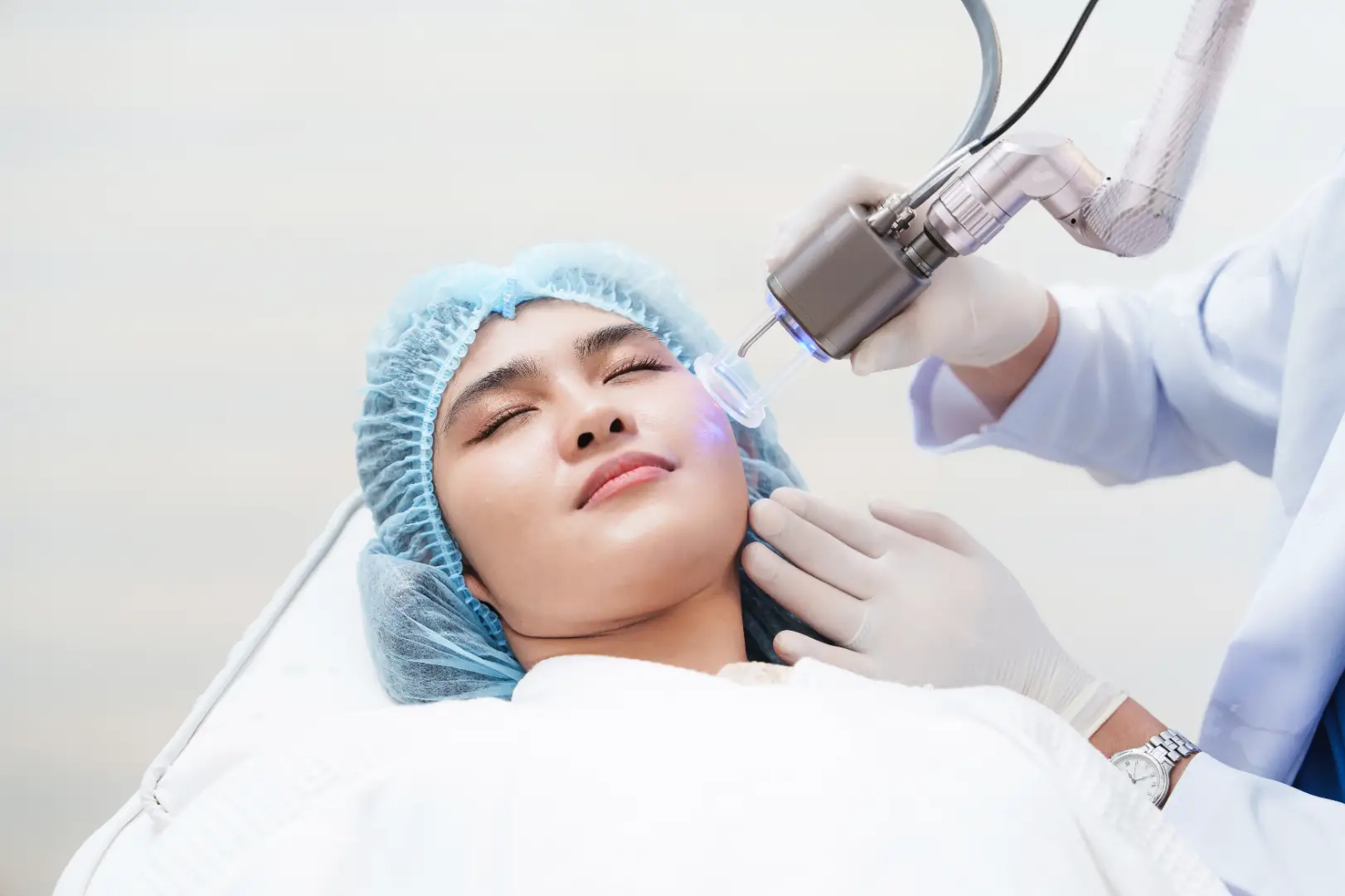
Let Your Goal Choose the Technology
There is no reason to turn skin tightening into a competition between machines. Everesse, RF microneedling, ultrasound technologies, lasers, and surgical procedures work differently because they are designed to accomplish different things.
Everesse stands out as a non-invasive RF option focused on controlled heating, comfort, and progressive collagen remodeling. Whether those qualities make it the right treatment depends on your degree of laxity, treatment area, expectations, and preference for recovery.
At Pretty Girl Aesthetics in Knoxville, TN, patients can explore Everesse alongside other aesthetic options and build a treatment plan around what their skin actually needs. The goal is not to choose the newest technology simply because it is new. It is to choose a skin tightening approach that makes sense for you.
Contact us today to book your consultation!