Melasma can be frustrating precisely because it rarely behaves like an ordinary dark spot. The brown or gray-brown patches may fade, return, or deepen after sun exposure, and the condition can be influenced by genetics, ultraviolet and visible light, and hormonal factors such as pregnancy or hormonal therapies.
That complexity matters when considering Prisma IPL. Intense pulsed light can be incorporated into treatment for carefully selected patients with melasma, but it shouldn’t be treated as a universal pigment eraser. Current expert recommendations place light and laser procedures mainly as adjunctive options, particularly when more conservative treatment hasn’t produced enough improvement.
So, before assuming every patch of facial pigmentation needs a pulse of light, it helps to understand what you’re actually treating. Read on for the most important things to know about Prisma IPL, melasma, recurrence, sun protection, and why your individual skin characteristics should guide the plan.
What to Know Before Prisma IPL for Melasma
Melasma requires a more thoughtful strategy than simply targeting anything brown. These are the considerations that should shape a conversation about IPL before treatment begins.
1. Melasma Isn’t an Ordinary Sun Spot
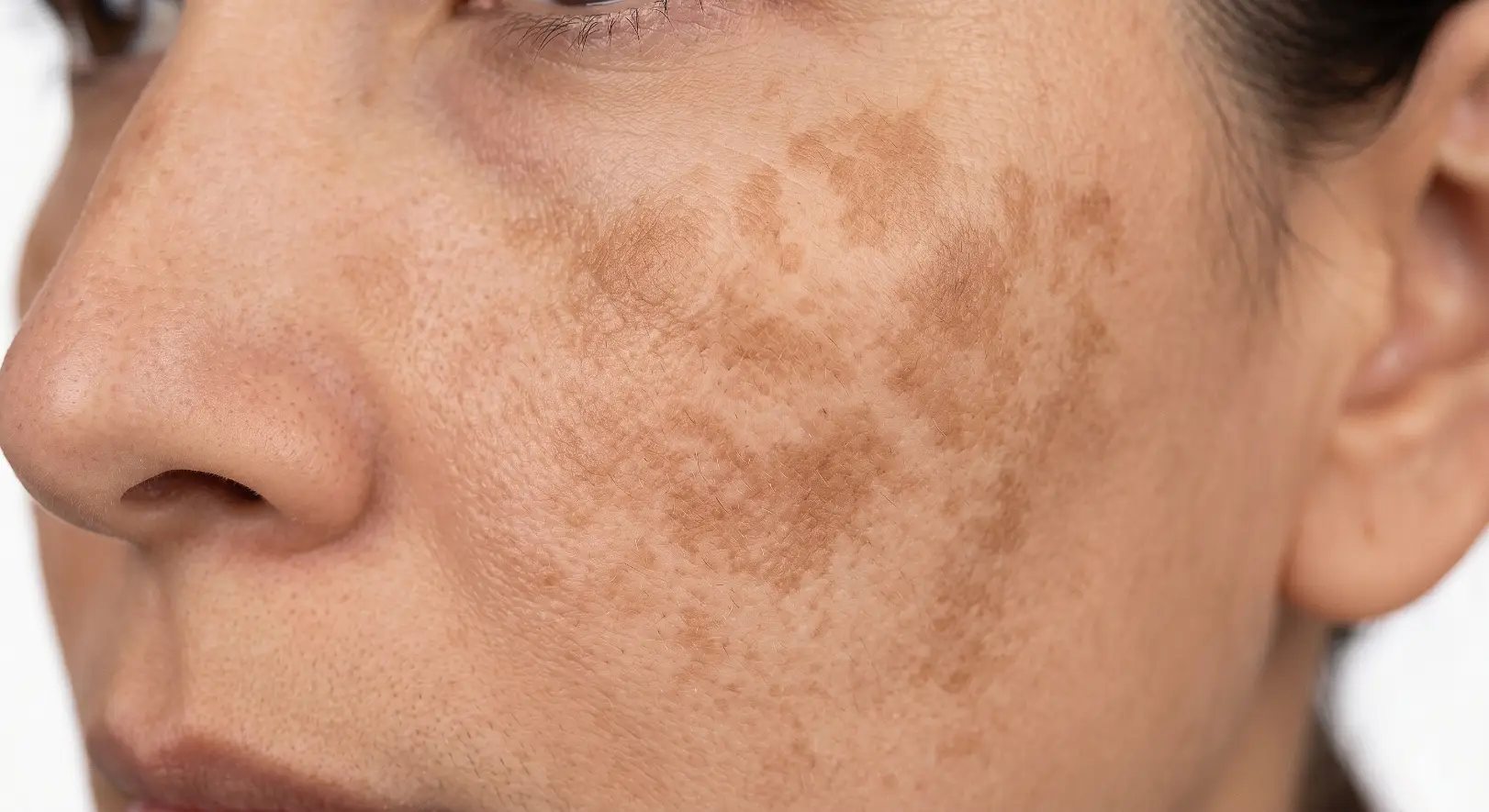
The first step is confirming that the pigmentation you’re seeing is actually melasma. Melasma typically appears as symmetrical areas of brown or gray-brown pigmentation, commonly on sun-exposed parts of the face.
Unlike a simple isolated sun spot, its biology is complex. Research links melasma with an interaction among genetic susceptibility, sunlight, and hormonal influences. This helps explain why hormonal pigmentation is a phrase commonly associated with melasma. Pregnancy and hormonal contraceptives have well-established associations with the condition, although hormones aren’t the only factor involved.
That distinction changes the treatment conversation. An isolated solar lentigo and melasma can both look brown, but they shouldn’t automatically receive the same procedure. Expert recommendations for lasers and IPL specifically stress that an accurate pigment diagnosis should come first because different hyperpigmentation disorders respond differently to light-based treatment.
2. Prisma IPL Uses Light, Not a Single Laser Wavelength
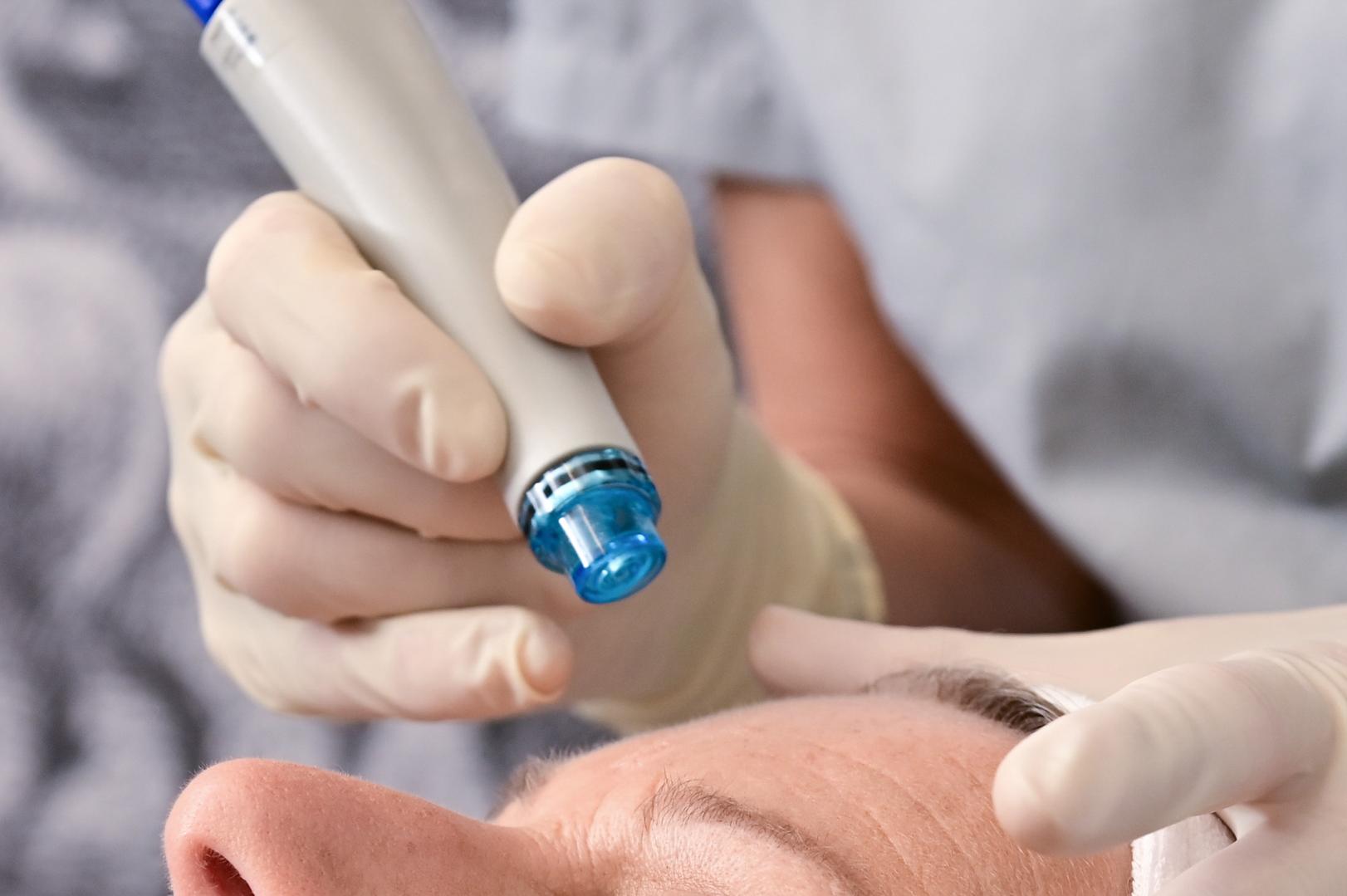
The word laser gets used loosely in aesthetics, but IPL and lasers aren’t technically the same thing. IPL stands for intense pulsed light. Instead of producing one narrowly defined laser wavelength, IPL systems emit a broader spectrum of light that can be filtered according to the intended target.
Melanin absorbs selected wavelengths, allowing light energy to interact with unwanted pigment. This is why searches for melasma laser treatment may bring up IPL alongside true laser technologies. Both belong to the larger category of energy-based treatments, but their energy delivery isn’t identical.
For melasma, however, the ability to target pigment doesn’t automatically make treatment appropriate. The European Society for Laser Dermatology’s position statement notes that while lasers and IPL can be highly effective for some pigmented lesions, melasma requires particular caution.
Treatment parameters need to account for factors such as skin phototype and the depth and nature of the pigment. Prisma IPL should therefore be considered as a tool within a carefully selected treatment strategy rather than a blanket solution for every brown patch.
3. IPL Can Help Selected Melasma Patients
There is clinical evidence supporting IPL as part of melasma treatment, but the details matter. A meta-analysis examining eight studies involving 215 patients found that IPL-based combination therapy was associated with improvement in Melasma Area and Severity Index scores and greater patient-reported satisfaction.
The evidence evaluated IPL as part of combination treatment rather than establishing IPL as a universally superior stand-alone therapy. That difference is important when discussing IPL for melasma.
A patient may see improvement in visible pigmentation, but that doesn’t mean IPL has eliminated the biological tendency toward melasma. Nor does evidence supporting combination therapy mean every patient should automatically receive IPL.
More recent international expert consensus continues to emphasize topical treatment and photoprotection as central components of melasma management, while reserving laser and light procedures primarily for more resistant cases.
So, Prisma IPL may have a place. The key is determining whose treatment plan actually benefits from that place.
4. More Light Isn’t Necessarily Better
Melasma is one of those conditions where aggressive treatment can work against the original goal. Procedures that create excessive inflammation can potentially lead to post-inflammatory hyperpigmentation, particularly in pigment-prone skin.
An evidence-based analysis of light and laser treatment for melasma found inconsistent responses across studies, reported hyperpigmentation among adverse events, and noted that improvements from laser monotherapy were not consistently durable. This is why treating melasma shouldn’t become a contest to see how much energy the skin can tolerate.
Skin phototype, recent tanning, the pattern and depth of pigmentation, previous reactions to procedures, and a history of post-inflammatory hyperpigmentation can all influence the treatment decision. Expert consensus recommends cautious patient selection and counseling when energy-based procedures are considered.
For some patients, a conservative Prisma IPL strategy may be considered. For others, postponing IPL or choosing a different hyperpigmentation treatment may be the more appropriate decision.
5. Skin Tone Changes the Conversation
Melasma commonly affects people with darker skin phototypes, and this makes individualized treatment especially important. Melanin is the pigment responsible for skin color as well as the pigmentation being targeted.
With light-based procedures, epidermal melanin can compete for energy intended for the treatment target. That is one reason skin phototype and pigment depth need to be considered when choosing light-based treatment parameters. There is also the issue of inflammation.
Patients with pigment-prone skin may develop post-inflammatory hyperpigmentation after skin injury or irritation. For someone already seeking treatment because of unwanted pigmentation, creating additional discoloration is clearly something the treatment plan should work to minimize.
None of this means darker skin automatically rules out every energy-based procedure. It means Prisma IPL shouldn’t be performed with a one-size-fits-all mindset. Melasma is a condition where personalization isn’t simply an aesthetic preference. It is central to responsible treatment planning.
6. IPL Isn’t Usually the Whole Melasma Plan
Perhaps the biggest misconception is that a device should do all the work. Current international consensus identifies broad-spectrum photoprotection as essential and hydroquinone-based triple-combination therapy, when medically appropriate and supervised, as a leading treatment approach.
Other topical and systemic options may also be considered according to the individual patient. Procedures such as lasers are generally positioned as adjunctive approaches for more resistant melasma.
The American Academy of Dermatology similarly notes that some patients may obtain better results when laser or light procedures are added to medication and sun protection, rather than being used as a substitute for the rest of the plan. This is a healthier way to think about melasma treatment.
Prisma IPL may target visible pigmentation. Skincare may address pigment production through another pathway. Photoprotection helps reduce environmental stimulation of pigmentation. Trigger awareness and maintenance can then become part of protecting improvement. Each part has a different job.
7. Sunlight Is a Major Part of the Story
Treating melasma without addressing light exposure is like mopping up water while leaving the faucet running. Ultraviolet exposure is a well-established contributor to melasma, but UV isn’t the entire story. Research also implicates visible light in melasma pigmentation, particularly in darker skin phototypes.
That has practical consequences. Broad-spectrum sunscreen remains important, but patients with melasma may also benefit from discussing protection against visible light. Research comparing UV-only sunscreen with sunscreen containing iron oxide for visible-light protection found greater improvement in melasma when visible-light protection was added alongside hydroquinone treatment.
More recent reviews likewise support tinted sunscreens containing iron oxides for people prone to melasma and other hyperpigmentation disorders because they add visible-light protection beyond conventional UV filters. That means your home routine is not separate from Prisma IPL treatment. It is part of the same strategy.
8. Improvement Doesn’t Mean Melasma Is Gone
Melasma has a stubborn habit of returning. A systematic review of melasma treatments found high recurrence across treatment categories and concluded that no single intervention is universally effective. Combination approaches generally performed better than relying on one modality alone.
This is one of the most important expectations to establish before Prisma IPL. Visible patches may lighten without the underlying predisposition disappearing. Continued UV exposure, visible light, hormonal influences, and other triggers can contribute to pigmentation becoming noticeable again. That is why maintenance frequently matters.
A successful result should therefore not be defined as melasma permanently removed. A more realistic goal is meaningful control of pigmentation, followed by a maintenance strategy designed to help preserve improvement.
That language may sound less dramatic than promising a permanent cure, but it better reflects what patients are dealing with.
9. Pregnancy and Hormones Deserve Attention
The association between melasma and hormones is real, but it is more nuanced than saying that hormones are always the cause. Pregnancy and hormonal contraceptives have repeatedly been associated with melasma, while genetic predisposition and sunlight also play major roles.
Current research continues to describe melasma as a multifactorial condition rather than one driven by a single hormonal abnormality. Patients should therefore mention pregnancy status, plans for pregnancy, hormonal medications, and relevant medical history during consultation.
That information can affect both the interpretation of the pigmentation and the timing or selection of treatment. It also helps set expectations. If an important trigger remains present, the long-term strategy may need to focus as much on management and prevention as on clearing the pigment currently visible.

Give Melasma the Thought It Deserves
Prisma IPL can have a role in treating selected patients with melasma, but melasma deserves more precision than a generic “IPL treats brown spots” approach. Skin tone, pigment pattern, light exposure, hormonal influences, previous treatments, and the likelihood of recurrence all belong in the decision.
At Pretty Girl Aesthetics in Knoxville, TN, patients considering Prisma IPL can explore whether light-based treatment fits into a broader, personalized melasma strategy. The goal is not to chase pigmentation with the strongest procedure available. It is to choose an approach that respects how melasma actually behaves and gives your skin a thoughtful path forward.
Call us today to schedule your consultation!