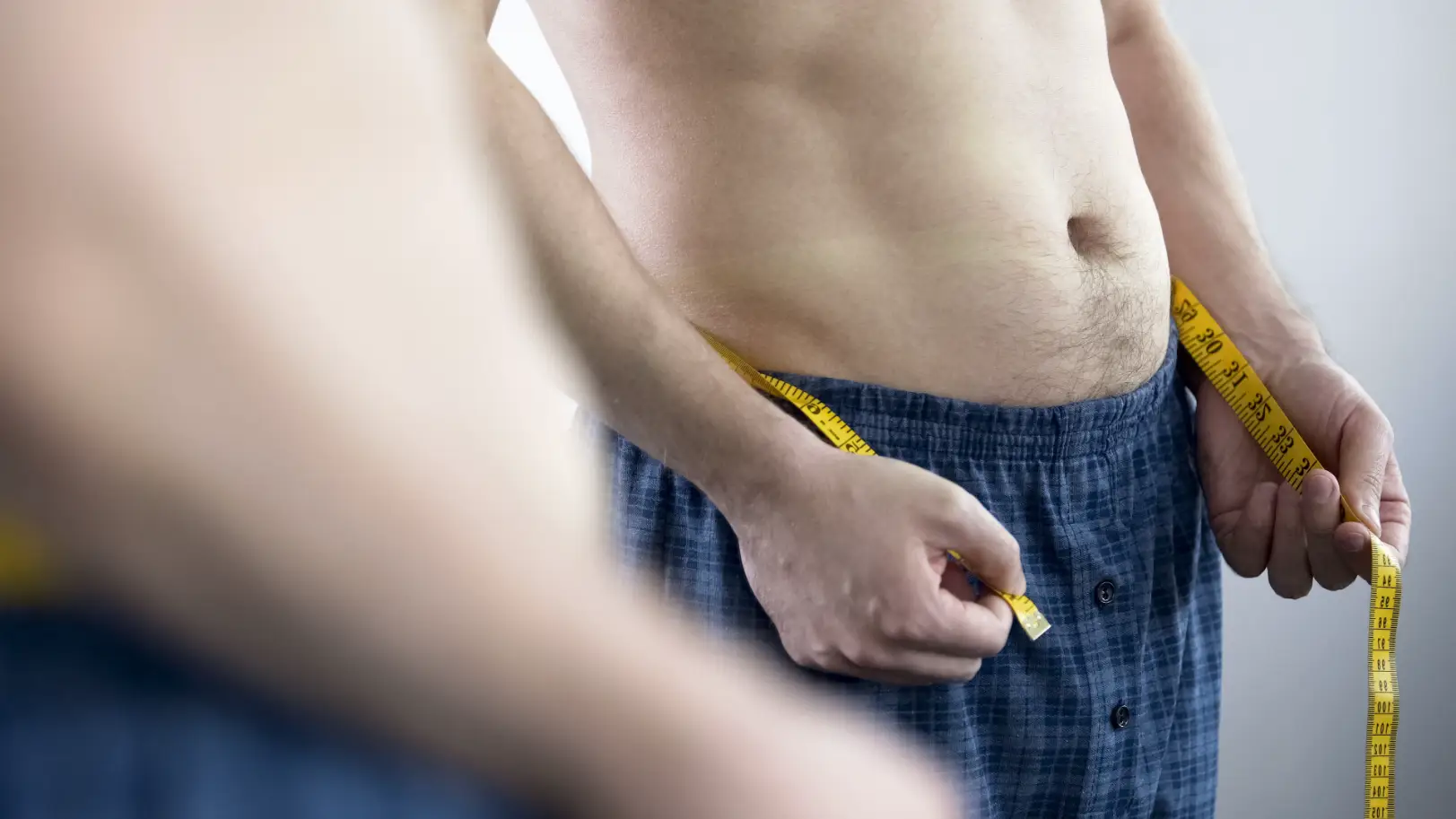
There is a particular kind of frustration that happens when your habits are working, your weight feels relatively stable, and yet certain areas of unwanted fat simply do not seem to change. The lower abdomen may still feel fuller than you would like. The flanks may soften your waistline. Other small pockets can remain even when you exercise regularly and pay attention to nutrition.
That is where body sculpting enters the conversation. It is not designed to replace healthy weight loss or transform the number on the scale. Its purpose is much more targeted: improving body contours by addressing localized concerns that may remain despite healthy habits.
Understanding that distinction can save patients from unrealistic expectations and help them decide whether treatment actually fits their goals. Keep reading as we break down body sculpting vs. weight loss, who may benefit, and what body contouring can realistically accomplish.
Sculpting Is Not Slimming
The difference between weight loss and body sculpting becomes much clearer when you consider what each approach is actually trying to accomplish.
Weight loss is about reducing overall body weight. When someone loses weight through nutrition, physical activity, medical support, or another appropriate approach, changes can occur throughout the body. The face may become leaner. Clothing sizes can change. Measurements may decrease across several areas.
Body sculpting has a different job. Rather than serving as a general weight-management strategy, it focuses on specific areas where localized fat or contour concerns remain. A patient may already be close to a comfortable weight but dislike the way one particular area affects their proportions.
In that situation, targeted contouring may make more sense than trying to lose additional weight everywhere. That difference can be summarized simply:
- Weight loss changes overall body mass. Its effects are typically distributed across multiple areas rather than directed toward one precise contour.
- Body sculpting targets shape. Treatment is intended to refine selected areas instead of producing substantial overall weight reduction.
- The scale is not the primary measurement of success. Changes may be more noticeable in proportions, clothing fit, photographs, or the outline of the treated area.
- It is not an obesity treatment. Patients seeking meaningful weight reduction generally need a weight-management strategy rather than a contouring procedure.
- Lifestyle still matters. Healthy habits support the longevity and appearance of body-contouring results.
This is also why a consultation matters. Someone searching for body contouring in Knoxville may have a completely different goal from someone who wants to lose a significant amount of weight. Identifying that goal first helps determine whether sculpting belongs in the conversation at all.
What Body Sculpting Can Really Do
Body contouring becomes much more satisfying when patients understand its strengths rather than expecting it to perform a job it was never designed to do. Here are the areas where body sculpting can make the most meaningful difference.
1. Target Stubborn Areas
One of the biggest reasons patients explore body contouring is stubborn fat. You can make meaningful progress with your fitness and nutrition while still noticing areas that seem disproportionately resistant to change.
Genetics have a strong influence on where the body tends to store fat. Hormones, age, sex, and individual body composition also affect fat distribution. That means two people at the same weight can have dramatically different silhouettes.
A stubborn fat treatment is intended to focus attention on these localized areas. Instead of asking the entire body to become smaller simply because you dislike one spot, body sculpting takes a more targeted approach to contour improvement.
This distinction is important for candidacy. If your primary concern is a small area that seems out of proportion with the rest of your figure, sculpting may align well with your goal. If you want significant overall weight reduction, another approach should generally come first.

2. Refine Your Proportions
Sometimes the issue is not size. It is proportion. A relatively small pocket of unwanted fat can influence how the entire body looks because our eyes naturally notice relationships between different areas. Fullness around the waist, for example, may make the torso appear straighter. A localized concern elsewhere can similarly affect the balance between neighboring contours.
Body sculpting can help refine these proportions by concentrating on selected areas rather than treating weight as the only marker of progress. The goal is not to create someone else’s body. It is to improve the contours already present.
That makes body contouring particularly appealing to patients who are generally comfortable with their size. They may not want to become substantially thinner. They simply want certain areas to look more balanced with the rest of their figure.
Good treatment planning therefore starts with the whole silhouette. The question is not simply, “Where is the fat?” It is also, “What change would make this patient’s proportions look more balanced?”
3. Address What Exercise Cannot Spot-Reduce
Exercise is extraordinarily valuable for cardiovascular health, strength, mobility, mood, and long-term weight management. What it cannot reliably do is tell the body exactly where to lose fat.
Hundreds of abdominal exercises can strengthen the abdominal muscles, but they cannot command the body to remove fat specifically from the stomach. The same principle applies to other areas. Fat loss patterns are influenced heavily by biology.
This is where expectations around non-surgical fat reduction need to remain realistic. Body contouring should not be viewed as an alternative to exercise. The two accomplish different things.
Exercise can strengthen and condition the body while supporting healthy body composition. Contouring can address localized areas that persist despite those efforts. For an appropriate patient, those goals can complement one another rather than compete.
That can also take some unnecessary pressure off patients. A resistant pocket of fat does not automatically mean you are exercising incorrectly or failing to work hard enough. Sometimes anatomy simply does not respond according to our preferred blueprint.
4. Create More Visible Definition
Body sculpting can also be useful when a small amount of localized fullness obscures contours that are already present.
Imagine someone who has developed muscle tone through regular exercise but feels that a particular area still looks softer than expected. Losing considerably more weight might not be desirable. It could reduce fullness in areas the patient already likes while still offering no guarantee that the resistant spot will change exactly as hoped.
Targeted contouring takes a different approach. By focusing on a defined concern, treatment may allow the body’s existing shape to appear more noticeable. The result should not be thought of as an entirely new physique.
Rather, appropriate body sculpting can create refinement. Changes may be subtle enough that other people notice you look more streamlined without immediately knowing why. For many patients, that understated improvement is precisely the goal.

5. Help Clothing Fit Differently
Not every aesthetic goal begins in front of a mirror. Sometimes it starts inside a wardrobe. A waistband may consistently catch around one area. A fitted dress may sit differently across the midsection than everywhere else. A shirt may fit the shoulders perfectly but emphasize localized fullness lower on the torso.
These concerns can persist even when the patient’s overall weight is stable. Because body sculpting focuses on contour rather than substantial weight reduction, improvements may be noticed through clothing before they are reflected dramatically elsewhere.
This is another reason scale weight alone can be a poor way to judge a contouring result. Patients may see changes in photographs, measurements, silhouette, or clothing fit without experiencing a major difference on the scale.
If your expectation is to watch the number drop significantly, body contouring is probably not the right tool for that particular goal. If your goal is a more refined fit through a specific area, the conversation becomes more relevant.
6. Complement a Healthy, Stable Weight
Body sculpting tends to make the most sense when it is treated as a finishing or refining step rather than the beginning of a major weight-loss journey.
Patients who are relatively stable in their weight can usually evaluate localized concerns more accurately. Their current contours provide a better representation of the areas that genuinely remain resistant rather than areas that may change substantially through future weight loss.
Large fluctuations after treatment can alter body proportions again. That is why stability matters. This does not mean patients need to reach some imaginary “perfect weight.” Bodies naturally change, and perfection is neither realistic nor necessary. The larger point is that contouring works best when the patient’s primary concern is shape rather than substantial excess body weight.
For someone actively pursuing major weight reduction, it can make more sense to reach a stable point first and then reassess. What looks like a contouring concern today may change considerably during that process.
Think Shape, Not Scale
The real power of body sculpting is not dramatic weight loss. It is precision. For appropriate patients, it can target stubborn areas, improve proportions, reveal more definition, and refine contours that healthy habits alone may not change in a predictable way. It works best when patients approach it as body refinement rather than a substitute for weight management.
At Pretty Girl Aesthetics, patients in Knoxville can explore body sculpting as part of a personalized aesthetic approach. If localized fat is standing between you and the contours you have been working toward, a consultation can help determine whether treatment fits your anatomy and expectations. The goal is not to replace healthy habits. It is to refine what those habits may not be able to change on their own.
Get in touch with us today to book your appointment!