
Facial aging rarely happens for just one reason. Some patients notice lines forming around the eyes or forehead, while others begin to see subtle hollowing in the cheeks or loss of structure along the jawline. These changes often appear gradually, making it difficult to determine which treatment is most appropriate.
Dermal fillers and neurotoxins each address distinct aspects of facial aging, which is why understanding their differences plays an essential role in achieving balanced, natural-looking results.
Wrinkles and volume loss develop through separate biological processes. Dynamic wrinkles typically form as repeated muscle movement creates visible expression lines, while facial hollowing results from collagen decline, fat redistribution, and structural changes beneath the skin.
A thoughtful treatment plan often incorporates both fillers for volume restoration and face concerns and neurotoxins for dynamic wrinkles, creating a comprehensive strategy that supports facial harmony.
Continue reading to learn how volume loss and wrinkles affect appearance, how dermal fillers vs. Botox differences help clarify treatment options, and why combining approaches often provides the most refined outcomes.
How Volume Loss and Wrinkles Influence Appearance
Aging influences both skin surface texture and deeper structural support, creating changes that may affect facial balance.
- Facial hollowing may alter natural contours. Volume loss facial aging treatment needs often arise when collagen decline reduces structural support in the cheeks and temples. Facial hollowing may contribute to a tired or drawn appearance. We offer dermal fillers and neurotoxins as part of comprehensive rejuvenation strategies.
- Dynamic wrinkles may become more noticeable over time. Repeated muscle activity contributes to expression lines around the forehead and eyes. Botox for dynamic wrinkles discussions often focus on reducing repetitive muscle contraction patterns. Neurotoxins vs. fillers comparison helps clarify treatment selection.
- Loss of midface support may influence facial proportions. As collagen production decreases, cheek structure may appear flatter or less defined. Wrinkles and facial hollowing concerns often overlap when structural support diminishes. Fillers for volume restoration in face treatments may support contour refinement.
- Fine lines may develop into deeper creases. Dynamic wrinkles may eventually become visible even when facial muscles are relaxed. Neurotoxins help soften these expression lines.
- Jawline definition may change with age. Volume loss may affect the lower facial structure, contributing to reduced contour clarity. Fillers for volume restoration face strategies often address jawline refinement. Balanced structural support contributes to improved profile definition.
We offer dermal fillers and neurotoxins to support both structural balance and smoother skin texture.
What Are Dermal Fillers and Neurotoxins?
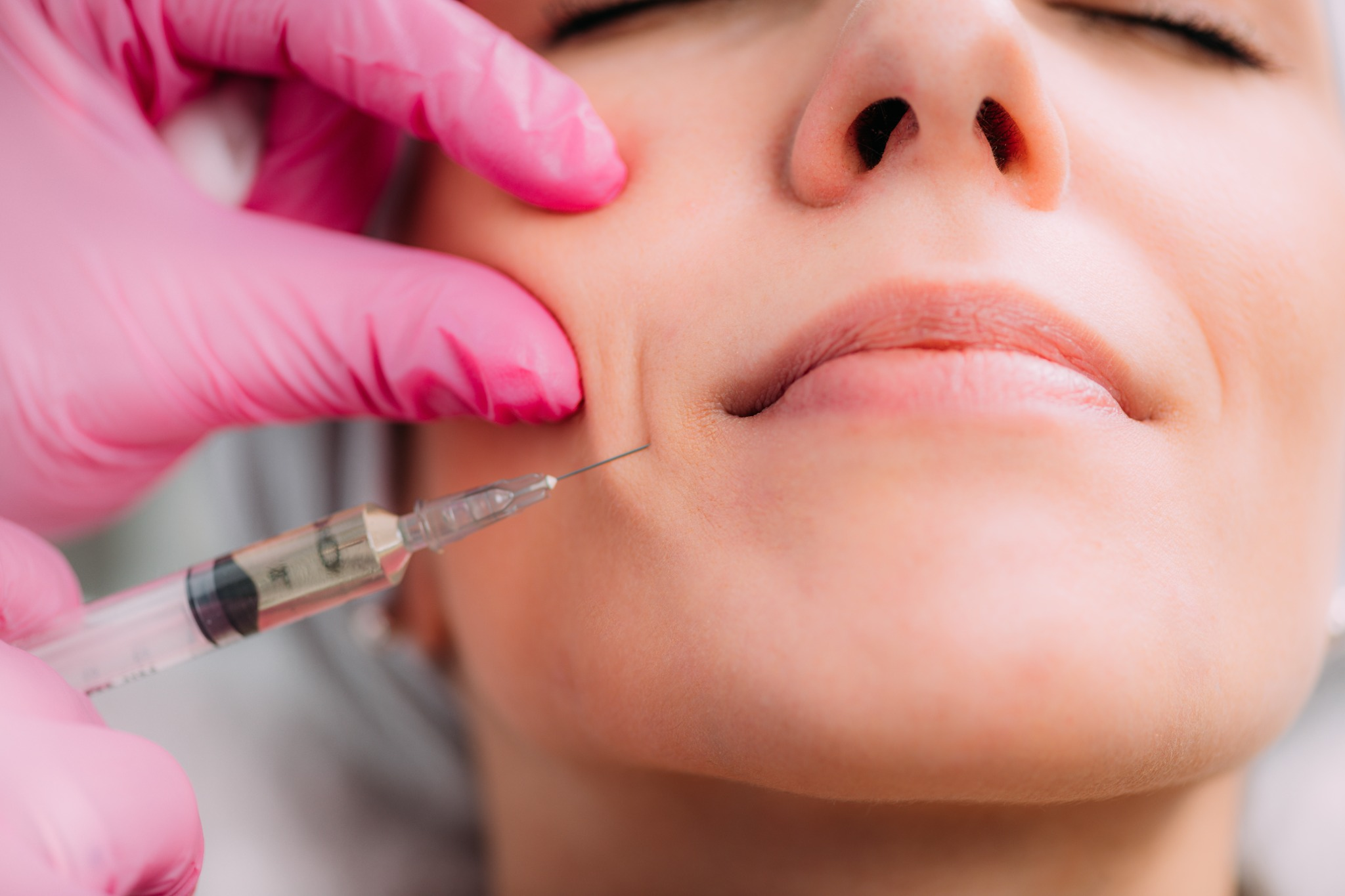
Dermal fillers and neurotoxins are non-surgical aesthetic treatments designed to address different causes of facial aging. While they are often mentioned together, they serve distinct purposes within a comprehensive rejuvenation strategy.
Dermal fillers restore lost volume beneath the skin using biocompatible substances such as hyaluronic acid or calcium hydroxylapatite. These formulations help enhance contours, smooth folds, and support facial structure in areas such as the cheeks, lips, and jawline. Fillers for volume restoration face treatments are frequently selected when patients wish to improve contour definition or address facial hollowing.
At Pretty Girl Aesthetics, we work with a range of FDA-approved filler options, including Revanesse Versa, Radiesse, Restylane Contour, Restylane Lyft, Restylane Defyne, and Belotero. Each formulation offers unique characteristics designed to address specific concerns related to wrinkles and facial hollowing.
Neurotoxins work by relaxing targeted facial muscles responsible for dynamic wrinkles. By reducing repetitive muscle activity, neurotoxins soften expression lines such as forehead creases and crow’s feet.
Botox for dynamic wrinkles is frequently discussed as a reference point when explaining how neurotoxins function.
Why Fillers and Neurotoxins Serve Different Purposes
Understanding how each treatment works allows patients to make informed decisions about their aesthetic goals, especially when determining whether concerns are caused by muscle movement or structural volume changes.
While both options support facial rejuvenation, fillers and neurotoxins address different underlying causes of aging, making them complementary rather than interchangeable solutions.
1. Fillers Restore Lost Volume
Facial volume loss occurs when collagen, elastin, and subcutaneous fat gradually decrease. Dermal fillers replenish this support, helping restore natural contours and balance facial proportions. Fillers for volume restoration face treatments support cheek structure and jawline definition.
Volume restoration contributes to improved facial harmony. Structural support enhances overall appearance. Dermal fillers address deeper causes of facial aging.
2. Neurotoxins Target Muscle Movement
Dynamic wrinkles develop as repeated facial expressions create visible creases over time. Neurotoxins relax targeted muscles responsible for these expression lines. Botox for dynamic wrinkles discussions often emphasize this muscle-relaxing mechanism.
Reducing repetitive muscle activity may soften visible lines. A comparison of neurotoxins vs. fillers highlights functional differences. Muscle relaxation contributes to a smoother skin appearance.
3. Fillers Improve Facial Contours
Dermal fillers are frequently used to enhance areas such as cheeks, lips, and the jawline. Volume restoration may create a lifted appearance without surgical intervention. Wrinkles and facial hollowing concerns often benefit from structural support.
Enhanced contours contribute to balanced facial proportions. Fillers support natural-looking definition. Structural refinement promotes youthful appearance.
4. Neurotoxins Soften Expression Lines
Expression lines often develop gradually through repeated muscle contraction. Neurotoxins help reduce these lines by limiting repetitive motion patterns. Botox for dynamic wrinkles is often referenced when discussing this treatment category.
Softened lines contribute to a refreshed appearance. Reduced muscle tension supports a smoother skin surface. Expression line treatment complements volume restoration.
5. Fillers Address Static Wrinkles
Static wrinkles remain visible even when facial muscles are relaxed. Dermal fillers help fill deeper creases by restoring volume beneath the skin. Fillers for volume restoration face treatments address structural depth.
Volume support contributes to a smoother appearance. Structural correction improves facial balance.
6. Neurotoxins Help Prevent Deeper Lines
Preventative treatment strategies often include neurotoxins to reduce repetitive muscle movement. Early intervention may support long-term skin smoothness. Neurotoxins and fillers demonstrate preventative potential.
Reducing muscle activity may slow wrinkle progression. Preventive care supports consistent results. Long-term strategies promote skin vitality.
7. Fillers Support Skin Hydration and Elasticity
Many dermal fillers contain hyaluronic acid, which supports hydration retention within the skin. Improved hydration contributes to smoother texture and enhanced elasticity. Volume loss facial aging treatment strategies often incorporate hydrating fillers.
Hydration contributes to skin resilience. Elasticity supports a refined appearance. Dermal fillers promote structural balance.
8. Neurotoxins Complement Volume Restoration
Combining dermal fillers with neurotoxins allows practitioners to address multiple aging factors simultaneously. Neurotoxins and fillers highlight how these treatments work synergistically. Comprehensive care supports balanced rejuvenation.
Combination treatments support natural-looking results. Integrated approaches enhance facial harmony. Balanced strategies improve aesthetic outcomes.
9. Customized Treatment Planning Enhances Results
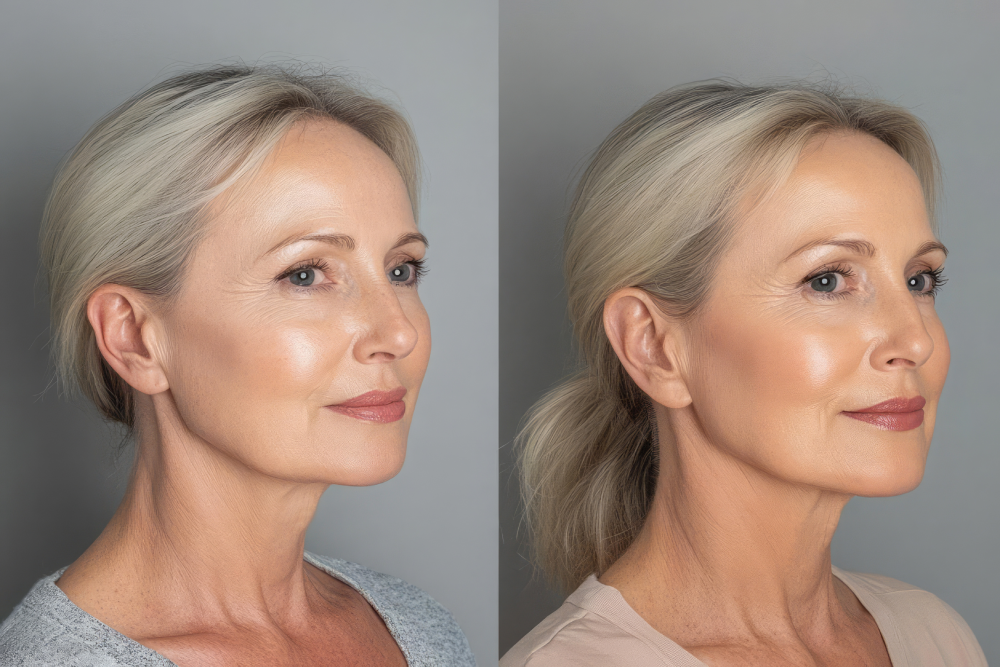
Each patient presents unique structural characteristics and aesthetic goals. Personalized treatment planning allows practitioners to determine when fillers, neurotoxins, or both may be appropriate.
Tailored approaches support natural-looking refinement. Customization enhances patient satisfaction. Personalized care contributes to balanced results.
Comprehensive Rejuvenation at Pretty Girl Aesthetics
Pretty Girl Aesthetics in Knoxville, TN, offers dermal fillers and neurotoxins designed to support natural facial harmony through personalized treatment strategies. Understanding anti-aging treatments allows patients to approach aesthetic care with clarity, selecting solutions aligned with individual goals and structural needs.
By addressing both wrinkles and facial hollowing concerns, patients can achieve balanced outcomes that enhance natural features while preserving authentic expression. Dermal fillers for volume restoration and face treatments complement neurotoxins for dynamic wrinkles, creating a comprehensive approach to facial rejuvenation.
We provide thoughtful aesthetic solutions that support refined contours, smoother skin, and confident self-expression through customized care designed to enhance each patient’s natural beauty.
Contact us today to book your consultation!