Sometimes, a hormone imbalance does not arrive with a dramatic speech. It slips in quietly. Your skin suddenly looks dull, even though your routine has not changed. Your hair feels thinner in the shower drain. Your weight starts shifting in ways that do not match your habits, and somehow, your favorite jeans become emotional triggers.
That is the tricky thing about hormone replacement therapy conversations: many patients first come looking for answers about their skin, hair, or weight before realizing hormones may be part of the story.
When the body is dealing with fluctuations in estrogen, progesterone, or testosterone, the effects can become visible on the outside long before the root cause is fully clear. Those frustrating changes are often tied to hormone imbalance symptoms, skin, hair, and weight concerns that can affect confidence just as much as comfort.
This is where BHRT enters the chat. Bioidentical hormone replacement therapy is designed to help support hormonal balance using hormones that are chemically identical to those the body naturally produces.
For patients dealing with changes that seem to show up everywhere at once, BHRT can offer a more personalized path forward. Stick with this, because once you see how hormones shape what happens on the surface, the whole picture starts making a lot more sense.

BHRT, Explained
Before we get into what it can do, let’s talk about what it actually is. BHRT stands for Bioidentical Hormone Replacement Therapy, and it involves the use of hormones that are chemically identical to the ones the body naturally makes.
According to the information provided, these hormones are typically derived from plant sources and then processed to match human hormones like estrogen, progesterone, and testosterone. BHRT is often used to help address symptoms linked to hormonal imbalance, especially those associated with menopause or perimenopause, though hormonal shifts can show up in different phases of life as well.
Here is the straightforward version:
- BHRT uses hormones that closely match the body’s own hormones
- It may include estrogen, progesterone, and testosterone, depending on the patient’s needs
- It is often used to help manage symptoms caused by hormonal fluctuations
- It comes in different forms, including pills, creams, gels, patches, and injections
- It is usually tailored to the individual rather than approached as a one-size-fits-all treatment
That last point matters a lot. Hormones are personal. Two patients can both say, “I just do not feel like myself,” and mean completely different things. One may be dealing with breakouts and oily skin. Another may be noticing dryness, thinning hair, low energy, and stubborn weight gain. BHRT is meant to account for those differences.
The Hormone-Beauty Connection
If hormones had a PR team, they would want more credit. These chemical messengers influence much more than mood and menstrual cycles. They help regulate oil production, skin hydration, collagen support, inflammation, metabolism, fat distribution, and even the growth cycle of your hair.
That is why hormonal changes, skin acne, and dryness issues can feel so unpredictable. When hormones shift, the body reacts in places that are easy to see and hard to ignore.
Common visible signs of hormonal imbalance can include:
- Sudden acne or recurring breakouts
- Dry, crepey, or less resilient skin
- Increased facial hair or thinning scalp hair
- Puffiness or changes in facial fullness
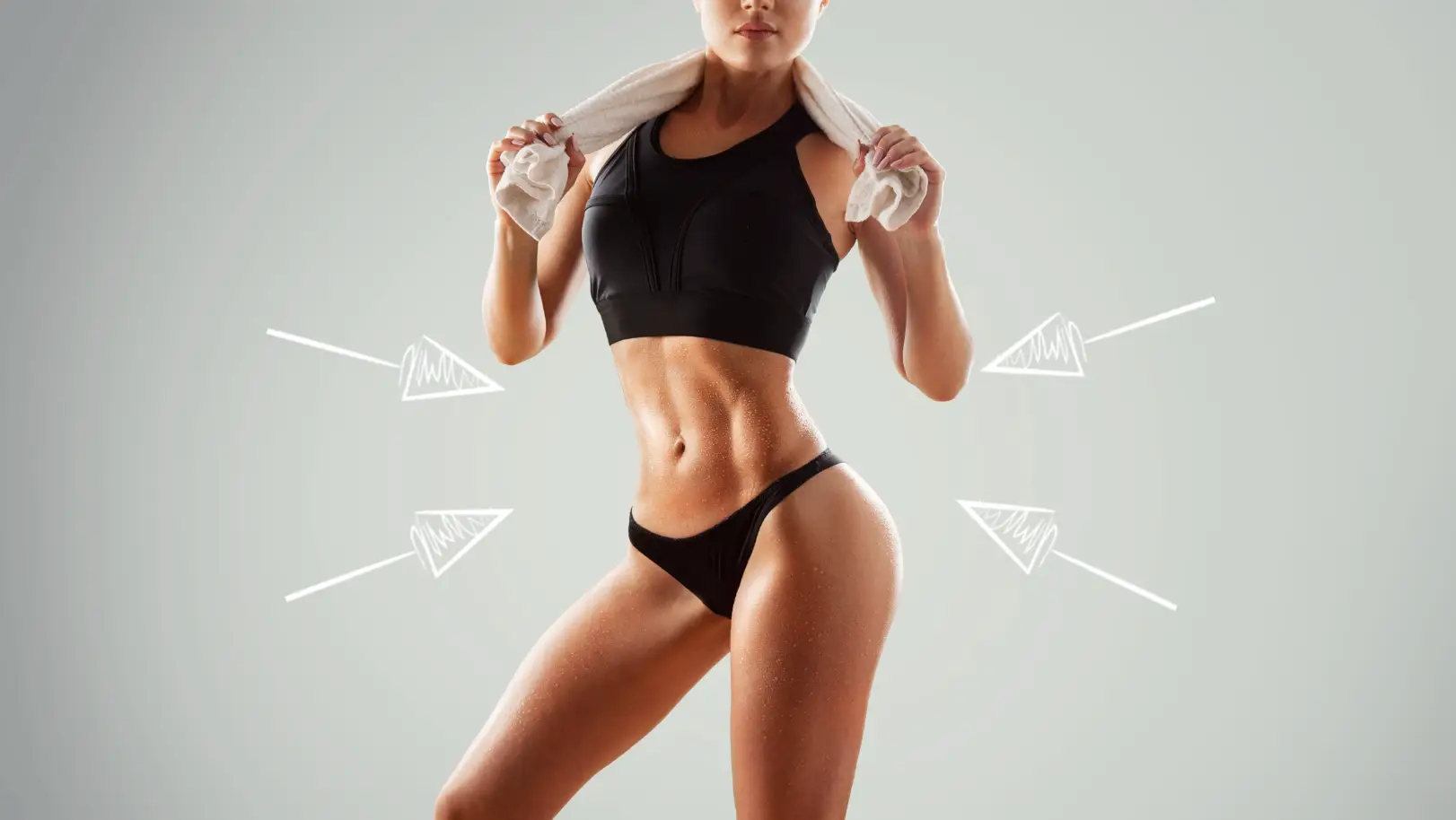
- Weight gain, especially around the midsection
- Difficulty maintaining muscle tone
- Skin that looks tired, irritated, or less radiant
This is not vanity. It is physiology. And when your outside starts reflecting internal imbalance, it is natural to want answers.
Skin Tells the Story
Your skin is often one of the first places a hormone imbalance makes itself known. It can go from calm to chaotic with very little warning, which is wildly rude considering how much money most people spend on skincare.
1. Dryness That Comes Out of Nowhere
This is one of the biggest complaints during perimenopause and menopause, and it often ties back to declining estrogen. Estrogen imbalance skin changes can include reduced moisture retention, thinner skin, and a weaker skin barrier. That can leave skin looking flatter, feeling rougher, and reacting more easily to products that used to be totally fine.
When estrogen dips, the skin may also produce less oil and hold less water. Translation: your face can feel like it forgot how to glow.
2. Breakouts That Feel Highly Unfair
Adult acne is not just a teen issue with a better handbag. Hormonal fluctuations can trigger increased oil production, clogged pores, and inflammation. For some women, shifts in testosterone relative to estrogen and progesterone are part of the problem.
This is why testosterone imbalance in women may include breakouts along the jawline, oilier skin, and even increased facial hair. When hormones move out of balance, the skin often follows.
3. Fine Lines That Suddenly Look Louder
Hormones help support collagen, elasticity, and thickness in the skin. As hormone levels change, the skin may become thinner and less springy. Fine lines can look more noticeable, and the face may lose some of that naturally bouncy quality people tend to associate with youthful skin.
4. Increased Sensitivity and Redness
When the skin barrier becomes less supported, irritation can show up more easily. Patients may notice redness, a stinging reaction to familiar products, or skin that simply feels more temperamental. It is not your imagination. Hormones can absolutely influence how resilient your skin feels day to day.
Hair Has Feelings Too
Hair changes can hit especially hard because they often feel personal and very visible. And once you notice them, it is hard to focus on anything else.
1. Thinning at the Scalp
Hormonal imbalance can affect the hair growth cycle, shortening the growth phase and increasing shedding. Some patients notice a widening part, less density at the crown, or hair that just does not feel as full as it used to.
2. Texture Changes
Hair can become drier, more brittle, or less cooperative. The same body that once gave you shiny, manageable hair may suddenly decide frizz is now your whole personality. Hormones can affect oil production and follicle health, which changes how hair looks and feels.
3. Unwanted Hair in New Places
Hormone shifts do not just influence hair loss. They can also cause increased hair growth in areas like the chin, upper lip, or jawline. Again, this can be linked to testosterone imbalance women’s symptoms, especially when androgen activity becomes more noticeable.
Weight Changes That Feel Personal
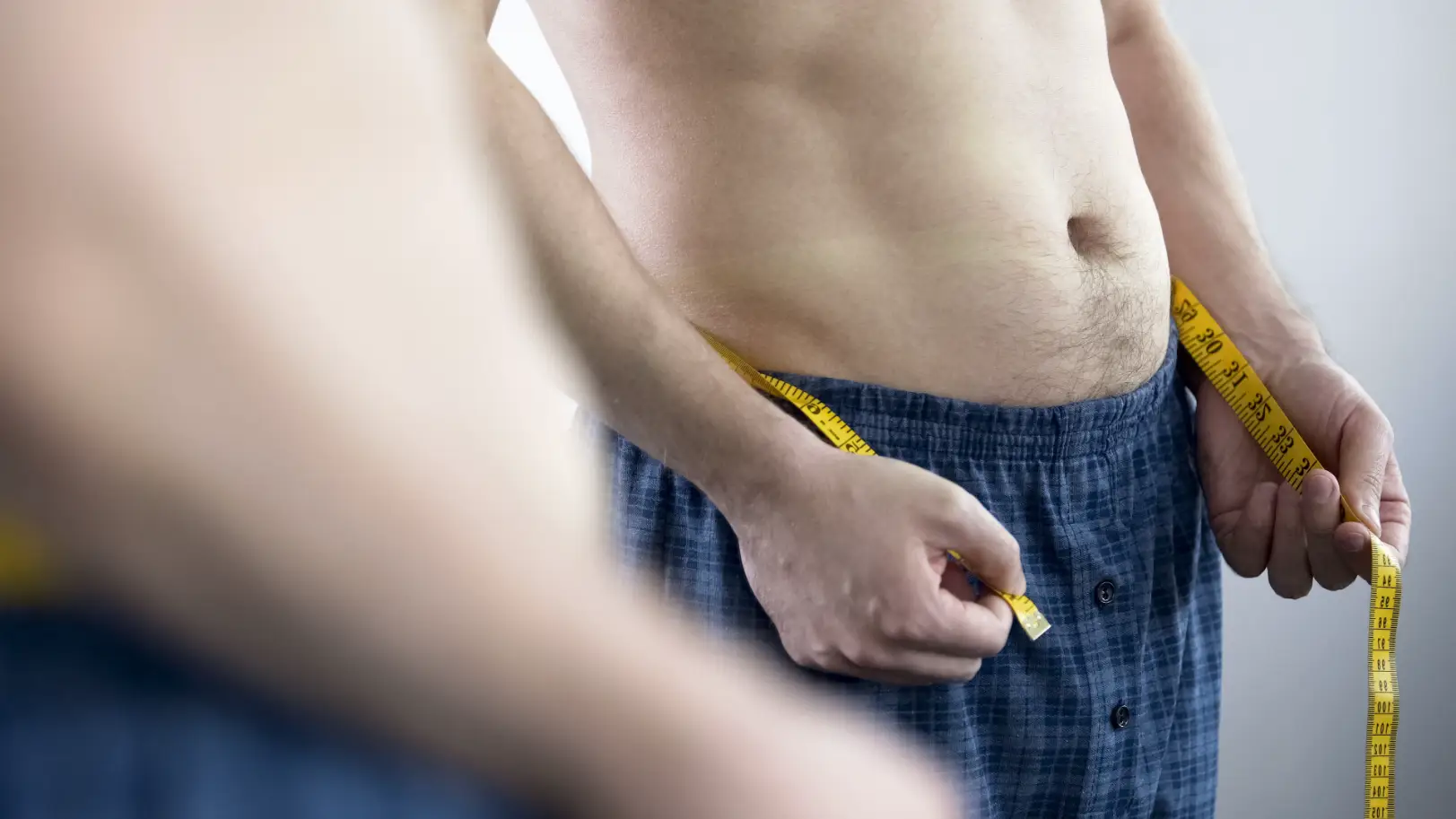
Weight gain is one of the most emotionally loaded symptoms of hormonal imbalance because it is so often misunderstood. Patients may blame themselves when their body is actually responding to changing hormone levels, metabolism shifts, stress, sleep disruption, and insulin sensitivity changes all at once.
1. Midsection Weight Gain
This is one of the classic complaints. Hormonal changes can shift where the body stores fat, often leading to more fullness around the abdomen. It does not always reflect a lack of discipline. Sometimes it reflects a body trying to adapt to a new internal environment.
2. Slower Metabolism
As hormones change, energy use can shift too. Patients may notice they are doing the same workouts, eating roughly the same meals, and getting very different results. That disconnect is frustrating, but it is also common.
3. Muscle Loss and Softer Body Composition
Hormones influence muscle maintenance, recovery, and body composition. When those levels are off, the body may lose lean muscle more easily, which can affect tone and make weight changes feel even more noticeable.
This is one reason the broader conversation around HRT benefits for skin and body matters. It is not only about one symptom. It is about the visible ripple effect hormones can have across the whole body.
How BHRT Helps
This is where things start to shift from “Why is this happening?” to “Okay, what can actually be done about it?”
BHRT is designed to help address hormonal imbalance by restoring more balanced hormone levels based on the patient’s symptoms, health history, and needs. The goal is not to make someone look like a different person. It is to help support the body in a way that allows them to feel and look more like themselves again.
What BHRT Can Do
This section is where the visible outcomes really come into focus. BHRT is not a magic wand, but it can play a meaningful role in addressing the underlying hormonal patterns that affect appearance and comfort.
1. It Can Improve Skin Hydration
When estrogen is supported appropriately, skin may hold moisture better and feel less dry or fragile. Patients often notice skin that looks fresher, calmer, and less dull over time. This is one of the more talked-about HRT benefits for skin and body, especially for those dealing with sudden dryness and texture changes.
2. It Can Support Skin Elasticity
Hormonal support may help the skin appear firmer and more resilient by helping the body maintain collagen and overall skin quality. The face may look less tired, and the skin may regain some of its smoother, healthier appearance.
3. It May Help Reduce Hormonal Breakouts
When hormone levels become more balanced, some patients notice fewer flare-ups and less oil-driven congestion. That is especially relevant for those experiencing hormonal changes, skin acne dryness all in the same season of life, which honestly feels like a betrayal.
4. It Can Support Hair Health
Because hormones affect the hair cycle, balancing them may help reduce excessive shedding and support healthier growth patterns. Hair may feel fuller, stronger, or more stable over time, depending on the cause of the imbalance.
5. It May Help with Body Composition Changes
While BHRT is not a weight-loss treatment, it may help address some of the hormonal factors that contribute to weight shifts, low energy, and changes in fat distribution. When patients feel more balanced, it can become easier to support healthy habits that actually produce results.
6. It Can Help Patients Feel More Like Themselves
This one matters just as much as any visual result. Better balance can mean improved energy, sleep, mood, and overall well-being. And when patients feel better internally, it often shows externally too. The connection between inner balance and outer appearance is not trendy language. It is real life.
Estrogen, Progesterone, and Testosterone: Why Each One Matters
Hormones do not work alone, and each one brings something different to the table.
- Estrogen. It plays a major role in skin thickness, hydration, and elasticity. Estrogen imbalance skin changes often include dryness, dullness, thinning, and more visible lines. When estrogen levels decline or fluctuate, the skin can lose some of its bounce and comfort.
- Progesterone. This hormone and skin health are closely linked through inflammation, oil regulation, and overall hormonal harmony. When progesterone is too low relative to estrogen, some patients may notice more breakouts, swelling, or skin that feels out of sync. It is not the only player, but it is definitely part of the ensemble.
- Testosterone. Women need testosterone too, just in balanced amounts. Too little may contribute to low energy and reduced muscle tone, while too much or relative imbalance may show up as acne, scalp thinning, or increased facial hair. That is why discussions about testosterone imbalance women’s symptoms deserve more attention than they usually get.
Why Personalization Matters
One of the biggest reasons BHRT stands out is that it is tailored. Hormonal imbalance does not show up the same way in every patient, so treatment should not look identical either.
Some patients come in most bothered by skin dryness and accelerated aging. Others are dealing with breakouts, hair thinning, and stubborn weight changes all at once. The right plan takes those details seriously. It looks at the whole picture, not just one symptom in isolation.
That is a major part of what makes the broader hormone replacement therapy effects conversation so important. Results are not only about replacing hormones. They are about doing so thoughtfully, based on what the body is actually asking for.

The Visible Outcome Everyone Wants
Most patients are not asking to look twenty again. They want to feel familiar in their own skin. They want their hair to feel healthy, their face to look less tired, and their body to stop acting like it has entered a mysterious new era without warning.
That is often the real appeal of HRT. It is not about chasing perfection. It is about restoring balance in a way that can positively affect how patients look, feel, and move through the world.
A Better Way to Feel Like You Again
When your skin changes, your hair thins, and your weight starts doing confusing things all at once, it is easy to feel frustrated and dismissed. But those shifts can be meaningful signs of hormonal imbalance, not random bad luck. And for many patients, hormone replacement therapy becomes part of the solution because it addresses the issue closer to the source.
At Pretty Girl Aesthetics in Knoxville, TN, BHRT is approached with the understanding that visible outcomes matter because patients matter. Looking in the mirror and recognizing yourself again is not shallow. It is powerful. When the goal is balance, confidence tends to follow right behind it.
Call us today to book your appointment!